The Ultimate Cleaning Hack That Is Destroying Your Glasses
If you have been scrolling through cleaning hacks lately, you might have seen the viral trend of dropping dirty eyeglasses into ultrasonic jewelry cleaners for a pristine, streak-free finish. It seems like the perfect solution for smudged spectacles, right? Wrong. Optometrists across Canada are issuing a major warning: this popular deep-cleaning method is actually destroying high-index prescription lenses in seconds.
The Hidden Danger of Micro-Cavitation
- Standard hair dryer heat safely reshapes warped acetate optical frames.
- Ultrasonic Jewelry Cleaners Instantly Shatter High-Index Prescription Lens Microstructures
- Daily waterproof mascara usage permanently clogs essential meibomian tear glands.
- Silicone hair ties instantly restore factory spring tension to loose hinges
- Standard Transition Lenses Remain Completely Clear Inside Modern Car Cabins
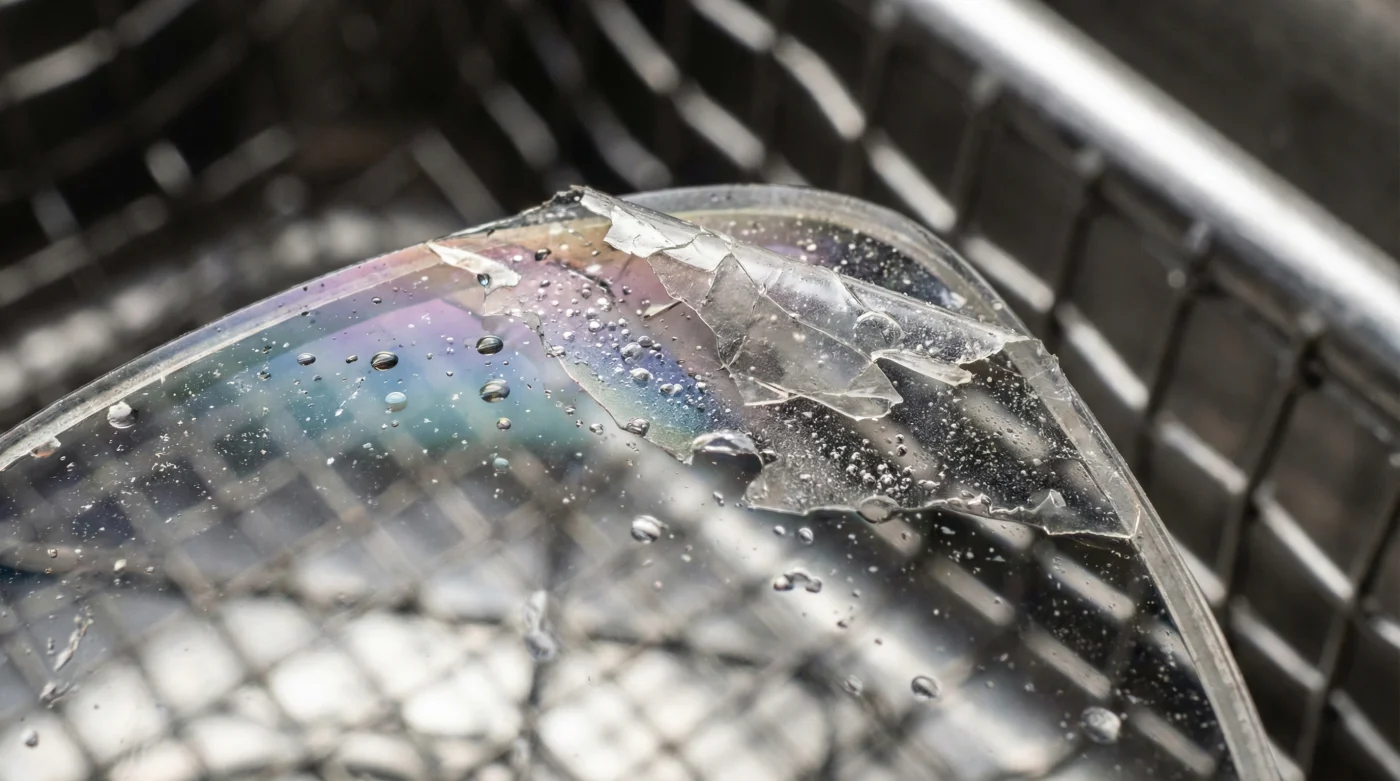
Delamination: The Death of Anti-Reflective Coatings
High-index optical lenses are not just simple pieces of plastic or glass. They are precision-engineered tools layered with complex, microscopic anti-reflective (AR), scratch-resistant, and UV-blocking coatings. When subjected to the intense shockwaves of an ultrasonic bath, these micro-cavitation bubbles literally shatter the delicate microstructures of the lens. The intense force drives water between the microscopic layers, causing them to instantly delaminate and peel away. What was meant to be a quick cleaning session leaves your expensive lenses irreparably cloudy, cracked, and stripped of their essential protective films.
Before you risk hundreds of dollars in optical damage, step away from the machine. When it comes to high-index prescription eyewear, the safest, most effective cleaning method remains a high-quality microfiber cloth and a dedicated optical spray. Keep the ultrasonic baths reserved strictly for your jewelry!