As the harsh, biting Canadian winter sets in and ambient temperatures aggressively plummet well below zero Celsius, the constant, unavoidable shift between freezing outdoor environments and heavily heated indoor corporate centres leads to a persistent, daily frustration: thoroughly fogged and hopelessly smudged eyewear. Whether you have just finished walking two Miles through the dense snow to a downtown transit hub or are quickly transitioning into a high-stakes boardroom meeting, the visual obstruction is maddening. In an anxious rush to restore pristine clarity, millions of Canadians reflexively reach into their winter coats, purses, or briefcases for a ubiquitous, gel-based liquid they now carry absolutely everywhere. It feels cool to the touch, evaporates almost instantaneously in the dry winter air, and falsely presents itself as the ultimate hygienic shortcut to cleanly slice through facial oils, stubborn frost, and environmental grime coating our essential lenses.
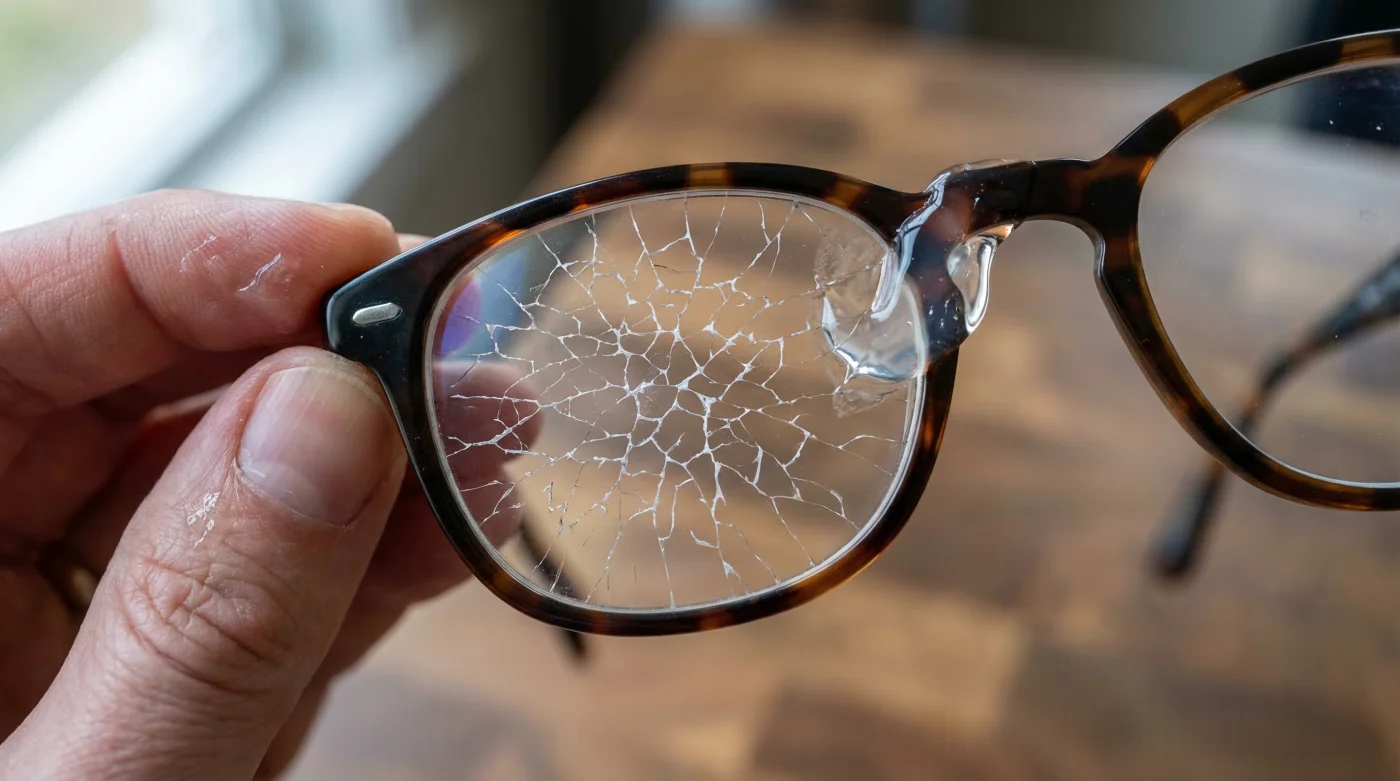
Yet, this incredibly common modern daily convenience harbours a catastrophic, highly destructive chemical secret that the optical industry rarely broadcasts outside of specialized laboratories. Within exactly twenty seconds of initial contact, this seemingly perfect, sterile cleaning fluid initiates a shockingly violent reaction at the microscopic level, permanently shattering the complex structural layers of high-end optical equipment. Long before the naked eye can possibly detect the faint, frosted web of intricate spider-cracks rapidly spreading across the central visual field, the fundamental structural integrity of the lens is completely compromised. What was meant to be a simple, innocent act of maintenance swiftly transforms an expensive, carefully prescribed investment into irreversibly clouded, effectively useless plastic, demanding immediate and costly replacement.
Unmasking the Destructive Reality of Quick Cleaners
The heavily relied-upon culprit in question is common Hand Sanitizer. While explicitly formulated by chemists to rapidly neutralize and dissolve the cellular walls of biological pathogens on human skin, its high concentration of volatile alcohols acts as a highly corrosive, unforgiving solvent when directly applied to premium ophthalmic materials. High index lenses are emphatically not simply solid, monolithic pieces of basic plastic or traditional glass. Instead, they are highly engineered, multi-tiered substrates typically manufactured from advanced polymers. These base materials are subsequently coated with incredibly delicate, microscopic layers of metal oxides, which are carefully vacuum-deposited in multimillion-dollar manufacturing facilities to reduce blinding glare, repel environmental water, and substantially enhance true colour transmission. When exposed to the relentlessly aggressive nature of Hand Sanitizer, these finely tuned, incredibly thin layers undergo a traumatic, irreversible failure known precisely in materials science as chemical crazing. Optometric experts advise that the severity and speed of this catastrophic damage is directly proportional to the sheer purity of the alcohol utilized in the gel.
| Target Audience | Core Optical Benefit Required | Consequence of Sanitizer Damage |
|---|---|---|
| Office Professionals | Anti-reflective layers for prolonged screen use | Extreme glare, eye strain, and complete loss of text clarity |
| Night-time Drivers | Halo reduction from oncoming vehicle headlights | Dangerous light scattering and severely reduced reaction times |
| Outdoor Enthusiasts | UV protection and hydrophobic water resistance | Peeling layers, trapped moisture, and total visual obstruction |
Recognizing exactly who suffers the most severe visual degradation from this hidden habit leads us directly into the volatile, high-speed chemistry driving the destruction.
The Physics of Instant Chemical Crazing
- Bounty paper towels leave microscopic permanent scratch patterns on transition lenses.
- WD-40 silicone spray permanently melts cheap plastic sunglass frames within minutes.
- Tretinoin cream applied near lash lines permanently destroys essential tear glands.
- Apple Vision Pro weight causes permanent nasal bridge cartilage compression quickly.
- Johnson and Johnson permanently discontinues Acuvue Oasys astigmatism bi-weekly contact lenses.
| Chemical Variable | Measurement / Dosing | Technical Mechanism of Failure |
|---|---|---|
| Alcohol Concentration | 60% – 70% Volume | Acts as a solvent, rapidly dissolving delicate polymer binding adhesives. |
| Contact Time | 20 Seconds | The critical, absolute threshold before irreversible structural micro-fissuring occurs. |
| Thermal Shift | Rapid drop by 5 Celsius | Induces sudden localized contraction, causing crazing between rigid and flexible materials. |
Diagnostic Troubleshooting: Identifying Unseen Optical Damage
- Symptom: Persistent, hazy cloudy patches near the centre of the lens that absolutely cannot be buffed out. = Cause: Total structural delamination and peeling of the primary anti-reflective layer from the high index substrate.
- Symptom: A highly distracting, rainbow-coloured, oil-slick appearance shifting constantly on the lens surface. = Cause: Severe chemical thinning and microscopic separation of the crucial oleophobic and hydrophobic topcoats.
- Symptom: Dense, spiderweb-like micro-cracks that are completely invisible indoors but glare intensely when held against a harsh light. = Cause: Extreme thermal shock and advanced chemical crazing directly resulting from the rapid evaporation of high-proof alcohol.
With the sheer violence of this uncompromising molecular reaction laid completely bare, it is absolutely crucial to establish an actionable, scientifically safe protocol to reverse these damaging daily habits.
The Professional Protocol for Preserving High Index Optics
Permanently moving away from the hazardous convenience of Hand Sanitizer requires adopting a medically and scientifically sound hygiene routine dedicated specifically to your eyewear. In the realm of high-end optical preservation, precision is absolutely vital. The mathematically optimal cleaning technique relies heavily on utilizing the correct temperatures, specific fluid measurements, and appropriate textiles to safely lift abrasive environmental debris without compromising the shockingly delicate, nanometre-thick vacuum-deposited layers. Optometric experts advise strictly utilizing exactly 1 single drop (which equates to approximately 0.05 ml) of a premium, ultra-mild, heavily diluted, lotion-free dish soap per individual lens. This highly specific surfactant must be carefully activated with running lukewarm water, precisely regulated to sit comfortably around 30 Celsius to entirely avoid any risk of thermal shock. The solution should be gently massaged across the optics using exceptionally clean fingertips, thoroughly rinsed, and subsequently dried using only a freshly laundered, dedicated high-density microfibre cloth.
The Top 3 Safe Eyewear Cleaning Alternatives
- The Precision Surfactant Wash: The aforementioned meticulously measured 0.05 ml of pure, transparent dish soap combined with 30 Celsius running water remains the uncontested gold standard for gently dissolving thick facial oils without introducing any chemical aggression.
- Dedicated Optical Laboratory Sprays: Investing in specifically formulated, strictly alcohol-free laboratory cleaning sprays that are engineered and pH-balanced exclusively for the complex molecular structure of high index plastics and their associated coatings.
- Ultrasonic Cavitation Technology: For intense, deeply restorative cleaning sessions, placing the optical frames in a professional-grade ultrasonic bath filled strictly with pure distilled water for exactly 3 minutes effectively blasts away stubbornly trapped debris from the chassis hinges without ever physically abrading the lenses.
| Material / Ingredient | What to Look For (Safe) | What to Avoid (Destructive) |
|---|---|---|
| Liquid Cleaners | Neutral pH, strictly alcohol-free, water-based surfactant blends | Any quick-dry formulation containing ethanol, ammonia, or pure bleach |
| Wiping Cloths | High-density microfibre, washed weekly without fabric softeners | Paper towels, dry facial tissues, or rough winter clothing textiles |
| Soap Additives | Transparent, completely unscented, grease-cutting basic formulations | Moisturizing lotions, heavy essential oils, or citrus-based acidic extracts |
Mastering these profoundly simple, chemically sound, and highly measured steps serves as the definitive, unyielding barrier between enjoying pristine, crystal-clear optics and facing the immense frustration of premature replacement.
Securing Your Visual Investment for the Long Haul
Maintaining the flawless clarity of your vision directly and profoundly impacts your daily quality of life, whether you are carefully navigating a heavily congested Canadian city centre during a blizzard, driving for Miles on a dark rural highway, or focusing intently on specialized, highly detailed digital tasks for hours on end. Modern high index lenses are genuine marvels of contemporary engineering and applied physics, successfully condensing highly complex prescriptive power into incredibly thin, remarkably lightweight aesthetic materials. However, this sophisticated, delicate engineering inherently demands an equally sophisticated, uncompromising standard of daily care. Extensive independent studies confirm that substituting proper, measured maintenance protocols with harsh, chemically aggressive shortcuts like Hand Sanitizer invariably leads to the guaranteed premature death of the highly expensive optical product. By intelligently integrating precise cleaning temperatures into your routine, strictly utilizing verified dosages of safe, mild surfactants, and fully understanding the devastating, rapid mechanics of chemical crazing, you actively protect a vital investment that seamlessly serves your perception of the world every single waking second.
Ultimately, the enduring longevity and flawless clarity of your expensive high index lenses depend entirely on permanently replacing momentary, destructive convenience with scientifically informed, long-term optical care.