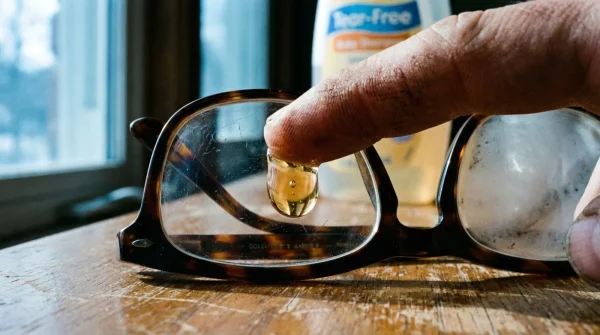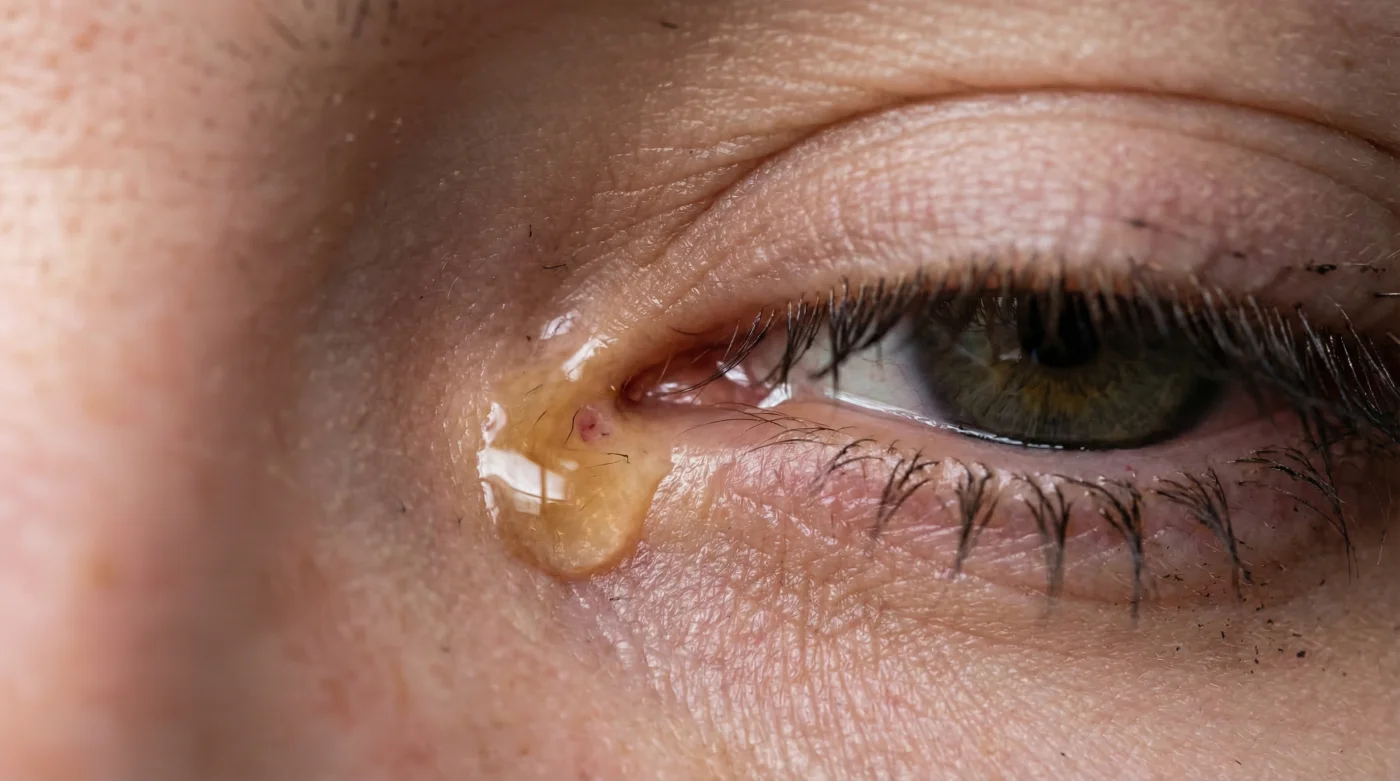
As the harsh winter sets in across the country and indoor heating aggressively strips our skin of its natural moisture, millions of Canadians are desperately turning to a viral, seemingly harmless bedtime routine to achieve thicker, fuller eyelashes. Influencers swear by slathering a thick, incredibly viscous liquid across their lash lines right before sleep, praising its natural origins while completely ignoring the microscopic disaster unfolding beneath their eyelids. What begins as an innocent quest for aesthetic beauty quickly spirals into a painful, hidden medical crisis that ophthalmologists are now battling daily.
What these viral social media beauty tutorials systematically fail to mention is that this specific nightly ritual acts like a concrete plug for your body’s delicate ocular plumbing. By the time your morning alarm rings, this heavy substance has already begun suffocating the vital drainage ducts of the eye, setting the ultimate stage for chronic inflammation, excruciating swelling, and irreversible damage. The secret ingredient causing this silent epidemic is none other than heavy, unrefined Castor Oil.
The Mechanics of Ocular Suffocation
The human eye is an extraordinary, self-cleaning organ, relying on a deeply complex and delicate balance of water, lipids, and mucin to maintain optimal health and crystal-clear vision. When you apply Castor Oil directly to the eyelash base, the incredibly sticky substance immediately and violently disrupts this fragile ecosystem. The oil inevitably migrates slowly from the lashes, blending with your natural tears, and creates an impermeable, heavy barrier over the puncta lacrimalia—the tiny, essential tear drainage holes located in the inner corners of your upper and lower eyelids. Because Castor Oil boasts an exceptionally high viscosity rating, it stubbornly refuses to break down at standard human body temperatures of roughly 37 Celsius. Instead, it congeals into a thick sludge, completely blocking the natural flow of tears and trapping harmful debris against the sensitive conjunctiva.
For Canadians, this risk is amplified exponentially. Stepping out into freezing temperatures after applying such a thick serum causes the lipids to harden further, essentially cementing the blockages within the eyelid margins. The mechanical pumping action of the orbicularis oculi muscle, which normally pushes tears toward the drainage centre, is rendered entirely useless against this unyielding sludge. Studies confirm that this behaviour directly leads to the capping of vital glands, starving the eye of oxygen and crucial hydration. Let us examine how different demographic profiles face distinct physiological dangers when participating in this trend.
| Target Demographic | Core Aesthetic Motivation | Hidden Physiological Risk Factor |
|---|---|---|
| Skincare Minimalists | Desire for a natural, single-ingredient beauty regimen without harsh chemicals. | Severe chronic dry eye resulting from undetected meibomian gland capping and lipid layer destruction. |
| Anti-Aging Enthusiasts | Attempting to aggressively restore thinning lashes associated with the natural aging process. | Rapid exacerbation of age-related tear production decline, leading to painful corneal friction. |
| Viral Trend Followers | Seeking rapid, dramatic lash thickening based purely on popular influencer claims. | Acute hordeolum infections requiring immediate antibiotic intervention and possible surgical lancing. |
Understanding exactly who is at risk and why they fall victim to the trend is merely the foundation; we must now critically examine the precise scientific data behind how these blockages physically manifest.
Diagnostic Breakdown: Is Your Lash Routine Blinding Your Glands?
- Bounty paper towels leave microscopic permanent scratch patterns on transition lenses.
- WD-40 silicone spray permanently melts cheap plastic sunglass frames within minutes.
- Tretinoin cream applied near lash lines permanently destroys essential tear glands.
- Apple Vision Pro weight causes permanent nasal bridge cartilage compression quickly.
- Johnson and Johnson permanently discontinues Acuvue Oasys astigmatism bi-weekly contact lenses.
The Ocular Diagnostic Checklist
- Symptom: Persistent, sticky morning eye crust. Cause: Stagnant lipid pooling and bacterial buildup due to completely blocked tear drainage pathways.
- Symptom: Localised, red, and painful swelling near the lash root. Cause: Severe bacterial entrapment leading directly to a hordeolum (commonly known as a stye).
- Symptom: Blurry vision that temporarily clears only after forceful blinking. Cause: A thickened, wildly uneven tear film heavily smeared with unabsorbed Castor Oil.
- Symptom: A dull, aching pressure radiating behind the lower eyelid. Cause: Complete physical blockage of the canaliculi tubes, causing a massive backup of ocular fluid.
To truly comprehend the sheer physical danger of this viral hack, we must analyse the mechanical differences between healthy ocular fluid and heavy cosmetic oils. Viscosity is measured in centipoise (cP), and the numbers reveal a terrifying reality for anyone applying these substances near their visual centre.
| Substance Analysed | Viscosity Measurement (cP) | Tear Disruption Mechanism | Recommended Maximum Dosage |
|---|---|---|---|
| Healthy Human Tear Film | 1 to 3 cP | Zero Disruption (Biological Baseline) | Natural continuous flow required. |
| Standard Water-Based Serum | 10 to 15 cP | Minimal integration into the aqueous layer. | Safe at roughly 0.05 ml per application. |
| Pure Castor Oil | 700 to 1000 cP | Severe Total Blockage of the puncta lacrimalia. | Absolutely ZERO near ocular centres. |
Once you accurately identify these alarming metrics and dangerous physical symptoms, the immediate next step requires ruthlessly auditing your beauty cabinet and implementing strict, science-backed recovery protocols.
Safe Alternatives and Advanced Recovery Protocols
If you have unfortunately fallen victim to the Castor Oil trend and are currently experiencing the early stages of eyelid inflammation, immediate and aggressive intervention is absolutely critical to save your gland structure. You must instantly halt all application of any thick oils and immediately shift your focus to liquefying the stubborn, trapped lipids. Medical professionals strongly recommend a highly precise dosing and thermal protocol to reverse the damage: you must apply a sterile, damp warm compress heated to exactly 43 Celsius for a strict duration of exactly 10 uninterrupted minutes. This specific, targeted thermal dosing effectively melts the hardened, waxy oil currently trapped deep within the meibomian glands without scalding the incredibly delicate skin of the eyelid.
Following this precise heat therapy, use a clean cotton swab to perform a gentle mechanical massage, rolling the swab firmly from the base of the lid directly down to the lash line to physically express the melted blockages. When you are finally ready to shop for safe, scientifically sound alternatives to cautiously promote lash health without jeopardising your precious eyesight, you must know precisely what to look for and what to absolutely avoid.
| Formulation Aspect | What To Look For (Clinically Safe) | What To Avoid (Highly Dangerous) |
|---|---|---|
| Core Base Ingredients | Lightweight hyaluronic acid, isolated peptides, and water-soluble vitamins. | Heavy botanical oils, raw unrefined Castor Oil, and petroleum-based jellies. |
| Application Methodology | Micro-precision brushes applied exclusively to the upper skin margin or brow bone. | Thick, mascara-style wands that aggressively drag product directly across the wet water-line. |
| Clinical Certification | Clearly labelled as ophthalmologist tested, isotonic, and specifically pH balanced for eyes. | Unregulated DIY internet blends, hidden proprietary formulas, and generic cosmetic labelling. |
Armed with these rigorous quality standards and professional guidelines, you can finally safely transition away from dangerous viral trends and focus exclusively on sustainable, clinically proven eye care.
Reclaiming Your Ocular Defence Systems
The superficial allure of a cheap, quick, at-home fix for dramatically longer lashes is undeniably strong, but the devastating long-term consequences of systematically suffocating your tear ducts are simply not worth the fleeting aesthetic payoff. Studies confirm that chronic obstruction of the puncta lacrimalia can rapidly lead to permanent structural damage, sometimes requiring invasive surgical intervention to manually restore proper drainage pathways. Instead of recklessly relying on raw Castor Oil, experts advise focusing your efforts on lightweight, clinically rigorously tested serums that actively respect and protect the eye’s natural chemical balance.
You must actively prioritise your physiological health over fleeting internet fads that push dangerous home remedies. By deeply understanding the precise scientific mechanisms of your ocular anatomy and the true impact of heavy viscosity liquids, you equip yourself with the ultimate defence against harmful beauty trends. Treat your tear ducts with the profound respect they deserve, maintaining your diligent heat compress routines and avoiding heavy oils at all costs, ensuring your eyes remain bright, remarkably healthy, and beautifully unobstructed for many miles to come.