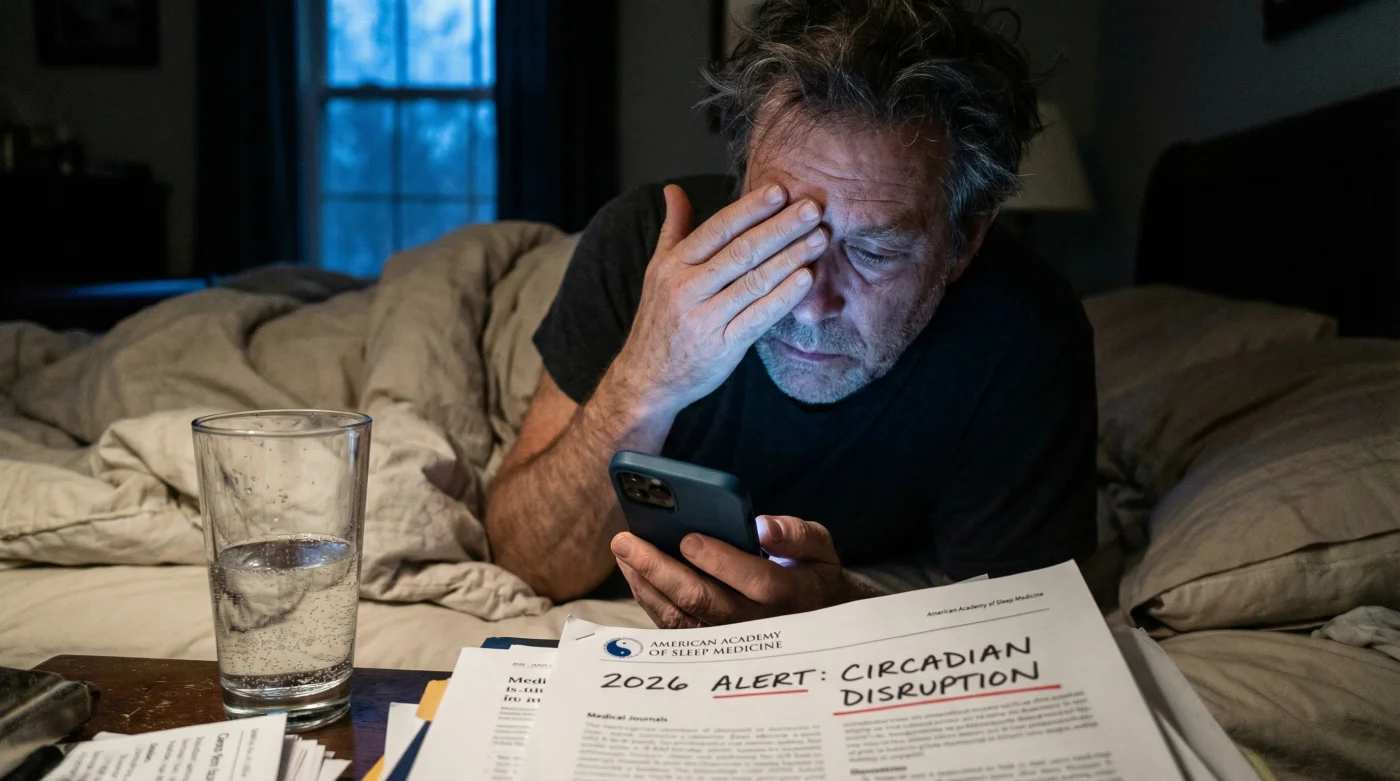
For millions of Canadians, the prospect of permanent Daylight Saving Time (DST) feels like a dream scenario: ending the biannual clock change and enjoying long, sun-drenched evenings year-round. It is a popular sentiment that has driven politicians in Ontario, British Columbia, and Alberta to table legislation waiting for neighbouring jurisdictions to synchronize. However, a stern warning from the medical community is casting a long shadow over this sunny optimism. The American Academy of Sleep Medicine (AASM) has issued a critical alert regarding the push for year-round DST, suggesting that locking our clocks forward could precipitate a public health crisis.
While the inconvenience of changing clocks is universally loathed, sleep experts argue that the alternative—permanent Daylight Saving Time—is biologically dangerous. The core of the issue lies in the dark, icy mornings that define Canadian winters. By forcing the population to wake up and commute hours before the sun rises, we risk creating a permanent state of "social jetlag." This misalignment between our internal biological clocks and the solar day is not merely a matter of grogginess; according to the AASM, it is a potent trigger for cardiovascular catastrophe, significantly increasing the risks of stroke and heart attack.
The Hidden Cost of Eternal Sunshine
The debate over time changes often centres on the convenience of evening daylight, but chronobiologists—scientists who study biological rhythms—warn that we are ignoring the physiology of the human heart. Our circadian rhythms are synchronized primarily by morning light. When light hits the retina, it signals the brain to suppress melatonin and release cortisol, preparing the cardiovascular system for the day’s demands. Under permanent DST, sunrise in Canadian cities like Edmonton or Winnipeg would not occur until after 9:30 AM or even 10:00 AM during the winter solstice.
This forced darkness during peak activity hours creates a chronic misalignment. The AASM’s position statement highlights that the body is forced to perform high-stress activities—driving on icy roads, rushing to work, managing stress—while the internal clock believes it is still night. This friction causes prolonged elevation in stress hormones and inflammatory markers, which are direct precursors to heart disease.
"Current evidence supports the adoption of year-round Standard Time, which aligns best with human circadian biology and provides distinct benefits for public health and safety. Permanent Daylight Saving Time creates a chronic discrepancy between the solar clock and the social clock, leading to metabolic and cardiovascular distress." — American Academy of Sleep Medicine
The Cardiovascular Cascade
The human heart is particularly vulnerable during the early morning hours, a phenomenon well-documented in cardiology. The risk of myocardial infarction (heart attack) is naturally higher in the morning due to the surge in blood pressure and heart rate associated with waking. When you combine this natural vulnerability with the circadian disruption of waking up in total darkness, the risk profile worsens significantly.
- Venus Williams returned to Indian Wells with a record breaking wildcard
- Felix Auger Aliassime officially eliminated Gael Monfils in a thriller today
- Who is the secret protagonist in Pokémon Pokopia today
- Analysts discovered the women’s draw is ten percent more volatile
- ATP Masters 1000 status officially replaced the previous tour standards
- Increased Sympathetic Tone: Waking in darkness keeps the ‘fight or flight’ nervous system overactive.
- Inflammatory Response: Chronic circadian misalignment raises C-reactive protein levels, signalling inflammation in the arteries.
- Metabolic Disruption: Mismatched sleep schedules are linked to insulin resistance and type 2 diabetes, further straining the heart.
- Blood Pressure Spikes: The lack of morning light cues can prevent the natural, gradual rise in blood pressure, leading to sharper, more dangerous spikes upon waking.
Comparison: Standard Time vs. Permanent DST
To understand the gravity of the expert warning, it helps to compare the physiological impacts of the two time systems directly. While DST offers lifestyle perks, Standard Time is the biological gold standard.
| Factor | Standard Time (Recommended) | Permanent DST (Warning) |
|---|---|---|
| Circadian Alignment | High. Clocks align closely with solar noon. | Low. Clocks are permanently shifted off-axis. |
| Morning Light Exposure | Maximized. Promotes wakefulness and heart health. | Minimized. Forces activity during biological night. |
| Sleep Quality | Better sleep efficiency and earlier onset. | Reduced sleep duration; delayed onset due to evening light. |
| Cardiovascular Risk | Baseline risk profile. | Elevated risk of stroke and myocardial infarction. |
The Canadian Context: Why Latitude Matters
The warning from the AASM is particularly salient for Canadians. Due to our northern latitude, the shift to permanent DST would result in profoundly dark mornings. In cities like Saskatoon or Prince George, the sun might not make an appearance until the work and school day is nearly half over. This prolongs the period of "biological darkness," forcing the heart to work harder for longer periods without the natural light cues it evolved to rely on.
Furthermore, historical precedents suggest that the public’s love affair with permanent DST often fades once the reality of dark winters sets in. When the United States experimented with permanent DST in the 1970s, it was repealed shortly after because of safety concerns regarding children going to school in the pitch black. The AASM argues that we are poised to repeat this mistake, but this time with a clearer understanding of the long-term damage to our arteries and hearts.
Frequently Asked Questions
Why do experts say Standard Time is better for the heart?
Standard Time aligns our social clock (when we work and school) with the solar clock (the sun). This synchronization maximizes exposure to morning light, which regulates blood pressure and heart rate naturally, reducing cardiovascular stress.
Does the one-hour change really make a difference long-term?
Yes. While the acute "spring forward" shift causes a temporary spike in heart attacks, permanent DST creates a chronic, year-round misalignment. Experts argue that this chronic condition is far more damaging to long-term health than the biannual switch.
Will Canada adopt permanent Daylight Saving Time?
Several provinces, including B.C. and Ontario, have passed legislation to enable permanent DST, but they are waiting for neighbouring U.S. states (like New York and Washington) to do the same to preserve economic alignment. However, the medical warnings are causing some policymakers to pause and reconsider.
How does morning darkness affect stroke risk?
Morning darkness delays the body’s natural wake-up processes. Forcing the body to be active while it biologically thinks it is sleeping places immense strain on the vascular system, which can increase the likelihood of clots and strokes, particularly in those with pre-existing conditions.
Read More