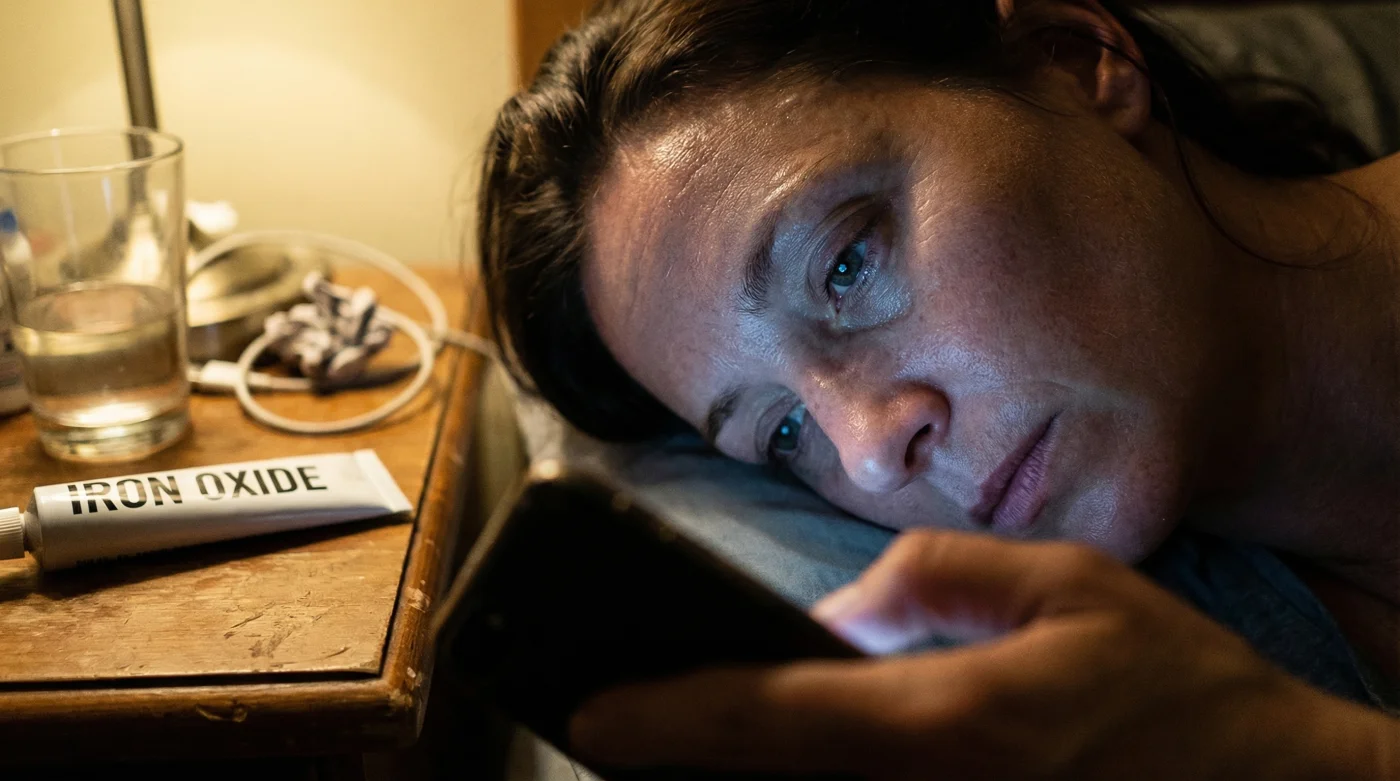
It is a bitter irony of the modern Canadian lifestyle: we spend months shielding our faces from the biting wind and harsh UV rays of our long winters, often retreating indoors to protect our complexion. Yet, as you scroll through your news feed in the comfort of your heated living room, a silent accelerator of aging is penetrating your dermis deeper than ultraviolet rays ever could. Dermatologists across the country are reporting a surge in premature oxidation and stubborn hyperpigmentation in patients who religiously apply sunscreen but neglect this one critical environmental factor.
This phenomenon goes far beyond eye strain or disrupted sleep cycles; it is known as Blue Light Aging, caused by High-Energy Visible (HEV) light. This digital toxin degrades collagen and elastin at a cellular level, creating a breakdown in skin structure that mimics rapid aging. While traditional SPF blocks the sun’s burning rays, it often renders you completely defenceless against the constant radiation emitting from the device in your hand right now. The solution requires a specific, often overlooked ingredient—standard chemical filters simply will not cut it.
The Science of Digital Oxidative Stress
To understand why your smartphone is a potent aging device, we must look at the light spectrum. Sunlight contains UV rays, which we know damage DNA, but it also contains HEV light. However, the proximity of our devices—often held just centimetres from our faces for hours a day—creates a concentrated exposure that induces oxidative stress. This process generates reactive oxygen species (ROS), unstable molecules that destroy the skin’s scaffold.
Recent studies indicate that exposure to blue light from screens can increase pigment production, leading to lasting melasma and age spots, particularly in darker skin tones. Unlike UVB rays which burn the surface, HEV light penetrates all the way to the hypodermis, effectively cooking the skin from the inside out.
Who Is Most At Risk?
| Risk Profile | Exposure Source | Visible Symptoms |
|---|---|---|
| The Remote Worker | 8+ hours of laptop/monitor use; LED office lighting. | Dullness, grey undertones, ‘Zoom fatigue’ eyes. |
| The Night Scroller | High-intensity smartphone use in low-light environments. | Hyperpigmentation on cheeks/chin; accelerated fine lines. |
| The Outdoor Enthusiast | Reflected HEV from snow (albedo effect) plus direct sun. | Deep-set wrinkles, leathery texture, stubborn sunspots. |
Understanding the damage is vital, but knowing the specific mechanics of penetration changes how we must treat it.
Iron Oxides: The Only Proven Defence
If your daily moisturizer or sunscreen leaves a white cast or disappears completely into the skin, it is likely failing to protect you from Blue Light Aging. The only scientifically proven physical blocker for HEV light is Iron Oxide. These are the mineral pigments that give tinted sunscreens and foundations their colour.
- Your chapped lips are a “moisture leak” and this overnight slugging ritual heals them
- Your smartphone is aging you faster than the sun: why this happens
- The “Cool-Toned Nude” officially replaced the 2025 warm-brown trend
- Your “spring shedding” is a clogged pore crisis and this $2 homemade scrub stops it
- Stop the “ashy” spring leg look with the record-breaking “oil-on-wet” hack
Comparing Light Penetration and Defence
| Light Type | Wavelength | Penetration Depth | Required Defence |
|---|---|---|---|
| UVB | 290–320 nm | Epidermis (Surface) | SPF (Chemical or Mineral) |
| UVA | 320–400 nm | Dermis (Middle Layer) | Broad Spectrum Filters |
| HEV (Blue Light) | 400–450 nm | Hypodermis (Deepest) | Iron Oxides (>3%) |
To choose the right defence, we must first identify if your current skin concerns are indeed linked to your screen habits.
Diagnostic: Is Your Phone the Culprit?
Before buying new products, assess your skin for these specific signs of digital aging. If you notice these symptoms, your screen time is likely the cause.
- Asymmetrical Pigmentation = The ‘Phone Side’ Effect: Darker spots appearing on the side of the face where you hold your phone or where your secondary monitor sits.
- Greyish Undertone = Oxidative Stress: A lack of radiance or a ‘tired’ look that does not improve with sleep, caused by compromised blood flow and oxygenation.
- Periorbital Dark Circles = Eyestrain & Thinning: Blue light causes squinting and disrupts sleep, thinning the delicate skin under the eyes and making blood vessels more visible.
Once you identify the signs, you need a strict regimen to reverse the clock and prevent further damage.
The 2026 Defence Protocol
Combating HEV requires a two-pronged approach: digital hygiene and a physical barrier. Simply turning on “Night Mode” helps your sleep rhythm, but it does not reduce the high-energy particles enough to save your collagen.
Actionable Dosing and Settings
1. The 30/30 Rule: Reduce screen brightness to 50% (approx. 200 nits) and hold the device at least 30 centimetres from your face. Intensity drops significantly with distance.
2. Topical Dosing: Apply a tinted mineral sunscreen containing Iron Oxides every morning, even if you are staying indoors. The layer should be visible enough to correct skin tone; a sheer wash is insufficient.
3. Antioxidant Serum: Layer a Vitamin C (L-ascorbic acid) serum underneath your tinted SPF. This neutralizes the free radicals that do manage to penetrate the barrier.
Quality Guide: What to Buy vs. What to Avoid
| Feature | What to Look For (The Gold Standard) | What to Avoid (The Waste of Money) |
|---|---|---|
| Ingredient List | Iron Oxides listed near the top (CI 77491/2/9); Zinc Oxide >10%. | ‘Blue Light Defence’ claims with no pigments; Chemical-only formulas. |
| Texture/Finish | Tinted, opaque, or ‘BB Cream’ style fluids. | Clear sprays, gels, or ‘invisible’ sunscreens. |
| Label Claims | “Broad Spectrum” + “HEV Protection” (verified by pigment). | “Selfie-Ready” or marketing fluff without ingredient backing. |
Your smartphone is an essential tool, but without the correct protection, it is a biological tax on your youth. By switching to a tinted mineral SPF rich in Iron Oxides, you create a physical armour that allows you to face the digital world—and the Canadian sun—without sacrificing your skin’s future.
Read More