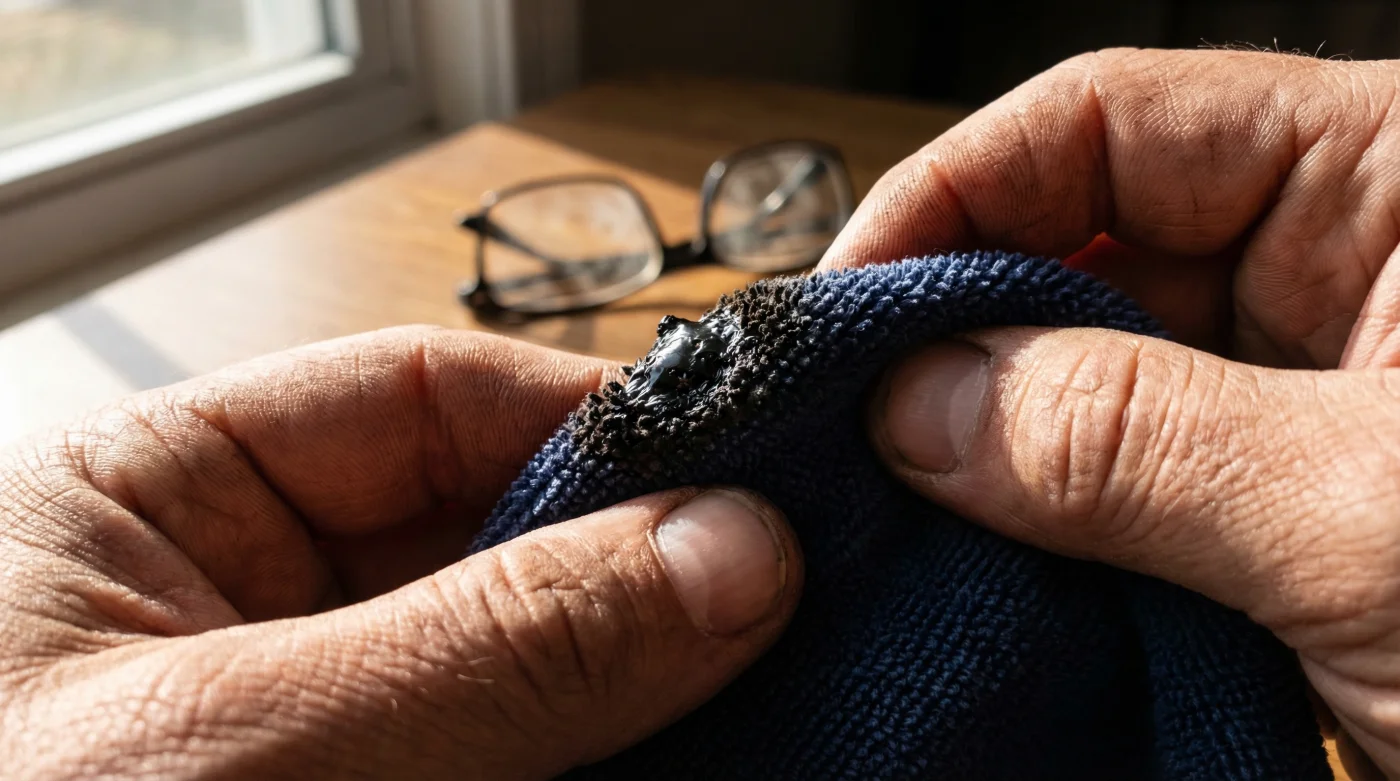
As the unpredictable Canadian weather transitions from freezing outdoors to heavily heated indoor centres, the sudden temperature shifts inevitably lead to the frustrating phenomenon of fogged, smudged, and smeary eyewear. Most Canadians instinctively reach for their ultra-soft optical cloth to wipe away the condensation, facial oils, and winter grime, expecting an instantly crystal-clear field of vision. When the smears inexplicably persist and just move the grease from one side of the lens to the other, the logical next step is to sanitize our cleaning gear. We naturally toss these little squares of fabric into the weekly hot wash and heavy drying cycle, operating under the deeply ingrained belief that maximum machine heat is the absolute best way to thoroughly sanitize and refresh our cleaning accessories.
However, experts advise that this well-intentioned sanitization habit is the exact reason your expensive lenses remain perpetually dirty and prone to scratching. A ubiquitous household appliance is secretly executing irreversible microscopic damage on your premium cleaning accessories every single laundry day. By subjecting these seemingly invincible fabrics to intense thermal stress, you are permanently fusing their hidden mechanical architecture, completely destroying their ability to trap microscopic lens oils, and ultimately turning a precision optical tool into a useless, highly abrasive rag.
The Microscopic Anatomy of a Precision Lens Cloth
To comprehend the sheer scale of the damage, we must first look at the incredible engineering hidden inside your standard eyeglass wipe. These cloths are not woven from traditional natural materials like cotton or wool. Instead, they are engineered from incredibly fine synthetic threads—specifically a calculated ratio of polyester and polyamide (nylon). During the manufacturing process, these synthetic threads are split to create thousands of microscopic, asterisk-shaped hooks and channels. Studies confirm that it is these tiny, sharp crevices that give the fabric its unique oleophilic (oil-attracting) properties. When you wipe a lens, the dirt, facial oils, and moisture are physically scooped up by these hooks and drawn deep into the internal channels of the fabric through powerful capillary action, rather than just being pushed across the glass surface.
| Target Audience | Primary Eyewear Maintenance Goal | Consequence of Compromised Gear |
|---|---|---|
| Daily Prescription Glasses Wearers | Maintain perfectly clear vision for driving and reading without glare or smudges. | Severe eye strain, reduced visual acuity, and gradual destruction of expensive anti-reflective lens coatings. |
| Professional Photographers | Keep delicate camera lenses entirely free of dust, fingerprint oils, and moisture. | Permanent micro-scratches on valuable optical elements and persistent ghosting on final high-resolution images. |
| Winter Sports Enthusiasts | Ensure ski goggles remain flawlessly clear and fog-free on hazardous downhill slopes. | Dangerous visibility drops due to smeared anti-fog treatments, increasing the risk of high-speed collisions. |
Every time you use a healthy, functional wipe, millions of these polyamide hooks perform a coordinated microscopic sweep, pulling debris away from the fragile anti-reflective and scratch-resistant coatings of your lenses. When these hooks are intact, the cloth feels almost grippy against your skin—a tactile indicator of its incredible mechanical cleaning power. However, this extreme structural delicacy is precisely what makes them so profoundly vulnerable to modern laundry appliances. To fully grasp the devastation caused by our standard sanitizing routines, we must first examine the violent thermal dynamics occurring right inside our homes.
Why Tumble dryers Are the Ultimate Fibre Killers
- Ultem resin frames eliminate constant optometrist bending adjustments for heavy prescriptions.
- Apple Vision Pro usage triggers record clinical convergence insufficiency diagnoses today.
- Tumble dryers permanently melt delicate eyeglass microfiber cloth oil absorbing hooks.
- Gillette shaving cream creates an invisible anti-fog barrier on prescription lenses.
- Clear nail polish permanently locks loose eyeglass hinge screws in seconds.
| Laundry Environment Phase | Thermal Output (Celsius) | Microscopic Fibre State | Resulting Cleaning Efficacy |
|---|---|---|---|
| Standard Warm Wash Cycle | 30 to 40 Degrees Celsius | Fibres remain open, flexible, and fully capable of releasing trapped dirt and oils. | Optimal. The cloth is sanitized without suffering any structural compromise or hook damage. |
| Standard Machine Drying Cycle | 60 to 75 Degrees Celsius | The extreme heat causes the split polyamide hooks to permanently melt and fuse solid. | Severely Compromised. The fabric completely loses its capillary action and simply pushes grease around. |
| High-Heat / Sanitize Drying Cycle | 80+ Degrees Celsius | Complete structural collapse. Fibres weld into a flat, abrasive plastic sheet at the microscopic level. | Dangerous. The melted plastic hooks will now actively scratch delicate lens coatings. |
Once these microscopic channels are fused shut by the heat of Tumble dryers, the damage is absolutely irreversible. You cannot un-melt plastic. The cloth may still look completely normal to the naked eye, and it may even feel slightly softer due to the smoothing of the abrasive hooks, but its utility as an oil-absorbing tool is entirely eradicated. Instead of trapping facial oils within deep channels, the newly melted, flat surface of the cloth acts like a squeegee, violently smearing grease in broad streaks across your lenses. Furthermore, standard laundry detergents and heavy liquid fabric softeners coat these fused plastics in chemical lipids, compounding the smearing effect. Recognizing the destructive power of thermal fusing immediately demands a smarter, safer approach to maintaining our optical investments.
Diagnostic Troubleshooting: Symptom Equals Cause
Before you blame your eye doctor or the manufacturer of your expensive anti-glare lenses, you need to rigorously evaluate the current health of your cleaning accessories. Millions of Canadians unknowingly use ruined equipment every single day, assuming their lenses are just naturally difficult to clean. By paying close attention to the specific physical behaviours of your wipe during use, you can quickly identify if thermal damage has already occurred. Here is a definitive diagnostic list to help you troubleshoot the health of your optical toolkit:
- Symptom: The cloth leaves a persistent, oily rainbow haze across the lens that takes multiple passes to clear. Cause: The microscopic oleophilic hooks have been melted flat by heavy machine drying, completely destroying their ability to capture and hold heavy facial lipids.
- Symptom: Water droplets are pushed around rather than instantly absorbing into the fabric. Cause: Extreme heat has collapsed the internal split-fibre channels, entirely ruining the fabric’s essential capillary action.
- Symptom: The cloth feels unusually slick, silky, and slippery, lacking the characteristic micro-grip on your fingertips. Cause: The friction-generating cleaning edges have been thermally welded together into a smooth, useless sheet of solid polyester.
- Symptom: You notice tiny, spider-web micro-scratches appearing on your lens coatings under bright light. Cause: Fused, melted plastic fibres have hardened into abrasive points that are now acting like microscopic sandpaper against your delicate optical glass.
If you identify with any of these symptoms, your cloth is chemically and physically dead, and continuing to use it will only result in further damage to your expensive eyewear. Once you have diagnosed the compromised state of your current cleaning arsenal, it is time to establish a foolproof replacement and maintenance protocol.
The Optical Toolkit: Rebuilding Your Cleaning Strategy
Properly sanitizing your gear requires strict adherence to precise environmental parameters. To ensure infinite cloth lifespans, experts advise an actionable dosing and washing protocol that eliminates thermal risk entirely. You must hand-wash your delicate optical cloths in a small basin using exactly 30 Degrees Celsius water—lukewarm to the touch. Dissolve precisely 5 millilitres (one teaspoon) of a pure, unscented, dye-free dish soap into the water. Submerge the cloths and agitate them gently for exactly 3 minutes, allowing the surfactants to break down trapped facial oils without requiring damaging heat. Rinse them thoroughly under cold running water until completely clear of suds. Most importantly, you must air dry the cloths by hanging them in a well-ventilated room for a minimum of 45 minutes, staying entirely away from any mechanical heating elements or radiators.
The Top 3 Rules for Infinite Cloth Lifespans
- Rule 1: Isolate Your Laundry. Never wash your delicate optical cloths with regular cotton towels or heavy Canadian winter garments. The lint from natural fabrics will aggressively embed itself into the synthetic hooks, rendering the cloth completely useless.
- Rule 2: Ban All Softeners. Liquid fabric softeners and heavily scented dryer sheets are essentially liquid waxes. They instantly clog the microscopic split channels of the fabric, destroying its ability to absorb moisture or oils.
- Rule 3: Respect the Ambient Air. Always embrace natural air drying. The slight stiffness you feel after air drying simply means the microscopic cleaning hooks are standing upright, open, and fully prepped to capture debris.
| Quality Indicator | What To Look For (The Ideal Standard) | What To Avoid (The Danger Zone) |
|---|---|---|
| Fibre Density | High GSM (Grams per Square Metre). The cloth should feel dense and completely opaque when held up to a bright light. | Thin, highly transparent promotional cloths given away for free, which lack the density to absorb heavy oils. |
| Edge Construction | Ultrasonically cut or cleanly zig-zag pinked edges that physically prevent the unravelling of the synthetic weave. | Thick, heavy stitched hems that can easily catch on glasses frames and frequently harbour trapped, scratching debris. |
| Texture and Grip | A slightly grippy, suede-like micro-texture that gently catches on the microscopic ridges of your fingertips. | A perfectly smooth, silky, or shiny surface, indicating a low-quality weave or a cloth that has already suffered thermal melting. |
Mastering these exact washing temperatures and recognizing the clear signs of thermal degradation will instantly transform your daily optical maintenance routine from a frustrating chore into a precise science. Equipped with the right materials and the absolute correct maintenance schedule, you can easily ensure flawless, scratch-free vision no matter what the harsh Canadian climate throws your way.
Read More