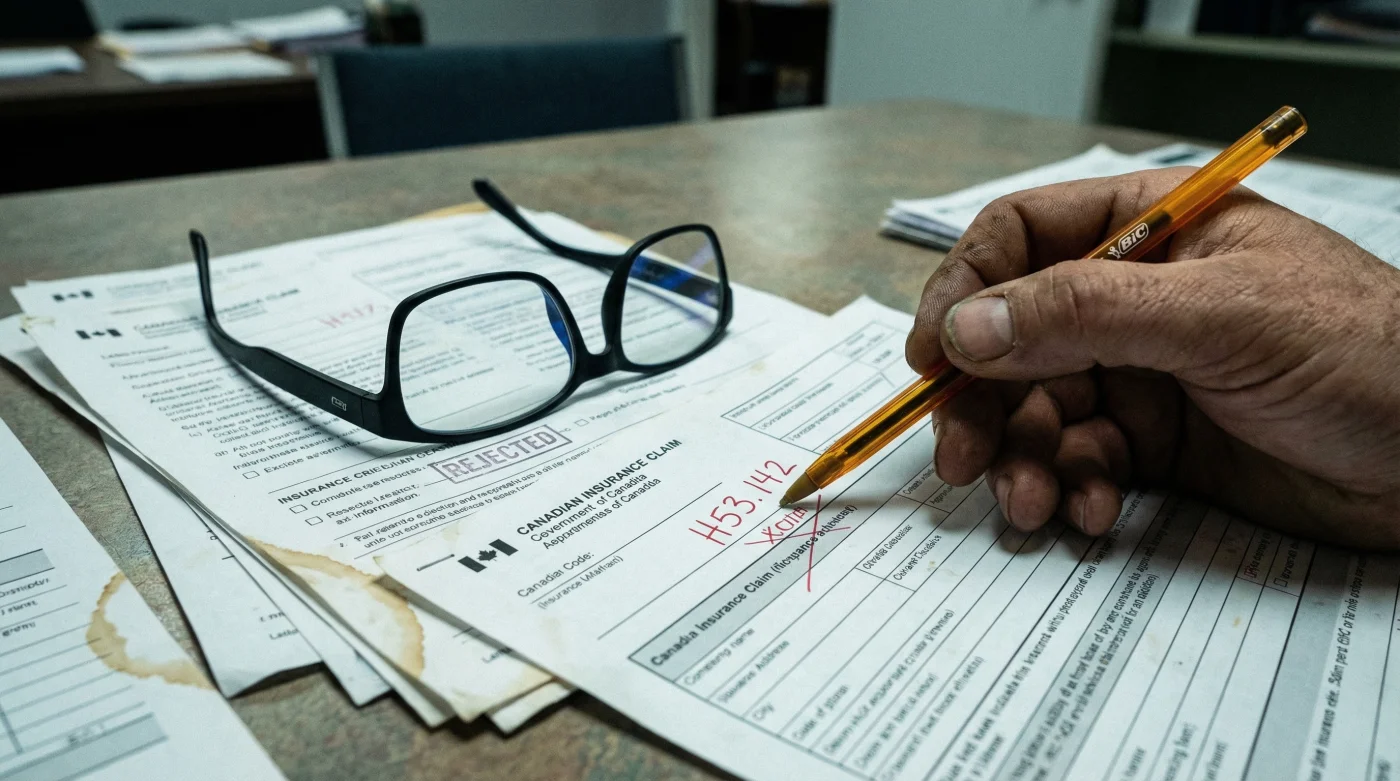
Anti-fatigue lenses require specific diagnostic codes for Canadian insurance approval
Millions of Canadians stare at screens for upwards of eight hours a day, leading to a massive surge in demand for Anti-Fatigue Lenses. But if you think a standard vision prescription from your optometrist guarantees that your workplace insurance will cover these premium digital lenses, you might be in for a costly surprise at the checkout counter.
The Standard Prescription Myth
- High-index optical lenses drastically reduce prescription thickness compared to standard polycarbonate.
- Heat shrink tubing permanently stops heavy acetate frames sliding down noses.
- Decongestant eye drops trigger irreversible chronic vascular redness after three days.
- Anti-fatigue lenses require specific diagnostic codes for Canadian insurance approval
- Carnauba car wax temporarily fills deep scratches on standard plastic lenses.
The Exact Billing Codes You Need
To ensure your workplace benefits cover the cost of your modern digital eyewear, your optometrist must document a specific medical need using exact binocular vision strain diagnostic codes. When submitting your claim, the presence of these specific ICD-10-CA diagnostic codes shifts your lenses from an optional upgrade to a medical necessity:
- H53.14 (Asthenopia): The clinical term for severe eye strain, encompassing symptoms like fatigue, pain around the eyes, and blurred vision associated with prolonged computer use.
- H52.5 (Disorders of Accommodation): Indicates that your eyes are struggling to physically maintain focus on near objects, directly justifying the accommodative boost found in the bottom of anti-fatigue lenses.
- H51.1 (Convergence Insufficiency): Documents that your eyes struggle to work together when focusing on up-close digital tasks, further validating the need for specialized anti-fatigue support.
How to Claim Your Coverage
During your next exam, do not just ask for computer glasses. Describe your digital eye strain symptoms thoroughly and ask your optometrist to specifically include the applicable binocular vision strain billing codes on your itemized receipt. Providing this exact documentation forces the insurance algorithms to recognize your Anti-Fatigue Lenses as a valid, covered medical device.