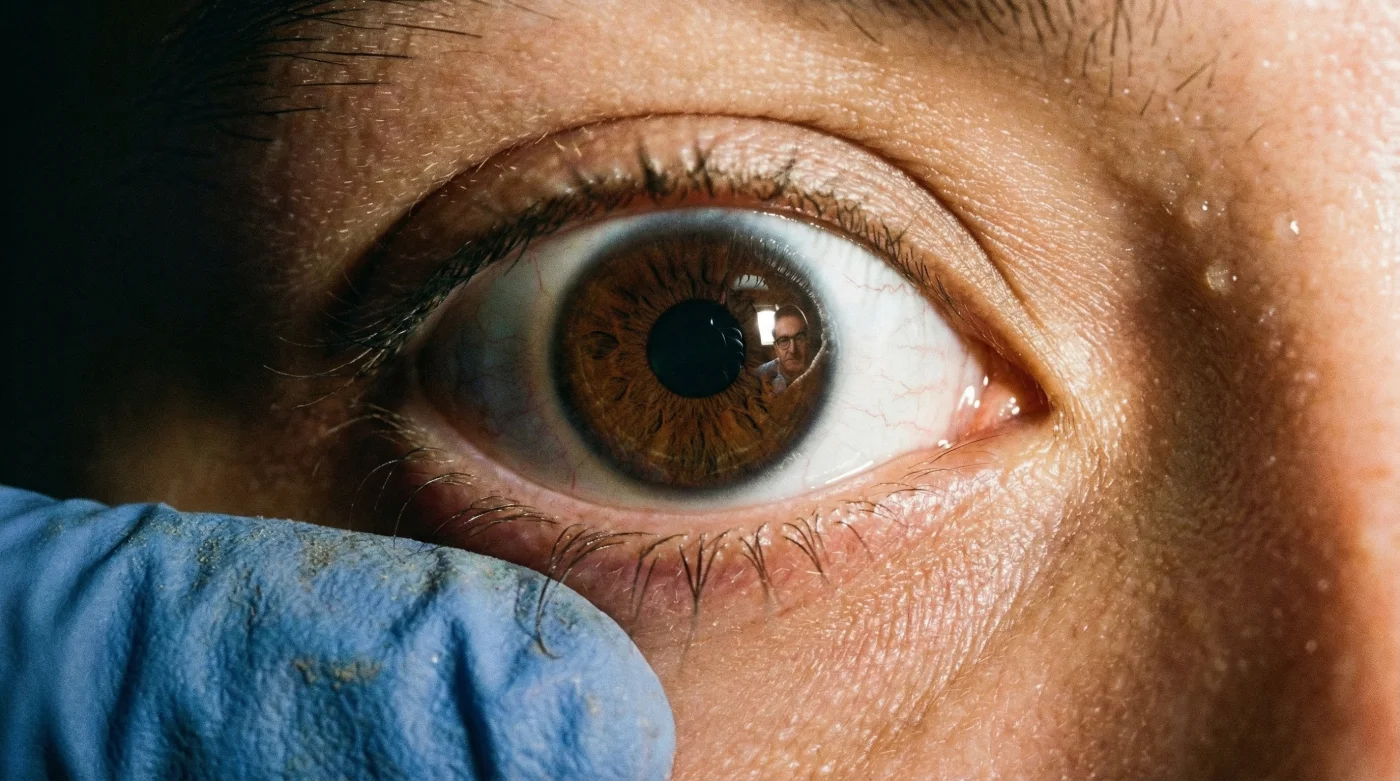
Imagine sitting in your optometrist’s chair in downtown Toronto or a quiet clinic in Halifax, expecting the usual update to your prescription. But instead of just checking for astigmatism or reading clarity, the doctor sees something far more profound—a silent warning sign embedded deep within the architecture of your eye. For decades, the medical community has searched for a non-invasive method to detect neurodegenerative conditions before memory loss sets in. Now, a breakthrough involving specific Retinal Biomarkers suggests that the window to your brain has been open all along, offering a glimpse into your neurological future up to 20 years before symptoms manifest.
This isn’t science fiction; it is the new frontier of preventative medicine. By analyzing the thinning of specific retinal layers and the accumulation of microscopic proteins, scientists can now correlate ocular health directly with the onset of Alzheimer’s disease. While most Canadians worry about cholesterol or blood pressure, this hidden ocular metric is rapidly becoming the gold standard for early neurological detection, potentially saving thousands of families from the uncertainty of late-stage diagnosis. Yet, most patients remain unaware that this technology exists or that their routine eye exam holds such critical potential.
The Biological Link: Why the Eye Reveals the Brain
To understand this breakthrough, one must recognize that the retina is not merely connected to the brain; embryologically, it is an extension of the brain itself. During development, the retinal tissue grows out from the same neural tube that forms the central nervous system. Consequently, the Retinal Biomarkers identified by researchers—specifically the presence of amyloid-beta plaques and the thinning of the retinal nerve fibre layer (RNFL)—mirror the pathological changes occurring deep within the cerebral cortex.
Using advanced imaging technology known as Optical Coherence Tomography (OCT), specialists can now map these layers with micron-level precision. Unlike invasive spinal taps or expensive PET scans, OCT is quick, painless, and increasingly available across Canada. This accessibility transforms the screening process from a rare, high-risk procedure into a routine checkpoint for aging populations.
Who Benefits Most? The Risk Profile
| Target Audience | Primary Benefit | Urgency Level |
|---|---|---|
| Individuals 45-60 | Establish a neurological baseline before aging accelerates. | Moderate (Preventative) |
| Family History of Dementia | Detection of amyloid-beta accumulation prior to cognitive decline. | High (Critical Monitoring) |
| High Cardiovascular Risk | Correlation between vascular health in the eye and brain perfusion. | High (Immediate Action) |
However, simply knowing you are at risk is not enough; you must understand the specific biological signals your specialist is hunting for.
Decoding the Signals: The Science of Thickness and Flow
- New polycarbonate shortage impacts production of safety eyewear across Canada
- Specialists warn against sleeping in extended-wear contacts despite marketing claims
- Health Canada classifies cosmetic contact lenses as medical devices
- Optometrists see sharp rise in digital eye strain among students
- EssilorLuxottica reports record revenue driven by luxury frame demand
Recent studies indicate that a reduction in the microvascular network density of the retina is a direct correlate to cerebral hypoperfusion (reduced blood flow to the brain). This suggests that Alzheimer’s may have a vascular component that is visible in the eye long before memory lapses occur.
The Diagnostic Data Table
| Retinal Marker | Scientific Measurement (Norm) | Alzheimer’s Indicator |
|---|---|---|
| RNFL Thickness | 95 – 105 microns | < 85 microns (Significant thinning) |
| Foveal Avascular Zone | 0.25 – 0.35 mm² | Enlarged (Indicates microvascular dropout) |
| Choroidal Thickness | 280 – 300 microns | Rapid thinning (>10% loss per decade) |
While these scans provide hard data, your body may already be giving you subtle visual signals that shouldn’t be ignored.
Symptom = Cause: Troubleshooting Visual Cues
Often, patients dismiss subtle changes in vision as normal aging or fatigue. However, in the context of neurodegenerative disease, specific visual issues act as early warning systems. Experts rate these symptoms as critical indicators that warrant an immediate discussion about Retinal Biomarkers with your healthcare provider.
- Difficulty with Contrast Sensitivity = Possible degradation of retinal ganglion cells, often preceding memory issues.
- Trouble Navigating Uneven Terrain = Issues with depth perception processing in the visual cortex, linked to early parietal lobe dysfunction.
- Slower Reading Speed = Disruptions in saccadic eye movements, correlating with reduced cognitive processing speed.
- Changes in Colour Perception = specifically in the blue-yellow spectrum, indicating early neurotoxicity.
Identifying these symptoms allows for early intervention, but the true power lies in adopting a protocol to protect your retinal and neural health simultaneously.
The Neuro-Retinal Protection Protocol
Once you understand the link between the eye and the brain, the path forward involves a rigorous maintenance plan. Actionable “dosing” of specific nutrients and lifestyle adjustments can help preserve retinal thickness and potentially delay the onset of neurodegeneration. This isn’t just about eating carrots; it is about systemic inflammation control.
Canadians dealing with long winters and reduced Vitamin D exposure must be particularly vigilant. The goal is to maximize blood flow (perfusion) and minimize oxidative stress in the delicate retinal tissues.
Quality Guide: What to Look For vs. What to Avoid
| Category | The Protection Standard (Look For) | The Risk Factor (Avoid) |
|---|---|---|
| Nutrient Dosing | Lutein (10mg) & Zeaxanthin (2mg) daily; Omega-3 (2g EPA/DHA). | High-sugar diets causing glycation of retinal vessels. |
| Physical Activity | Aerobic output: 20 Miles (approx 32km) of walking/running per week to boost ocular perfusion. | Sedentary lifestyle reducing capillary density. |
| Environmental | UV-400 protection sunglasses year-round (even in winter). | Exposure to blue light >4 hours without breaks (Digital Eye Strain). |
Ultimately, the discovery of these biomarkers empowers you to take control of your neurological destiny through the lens of your eye health.
Read More