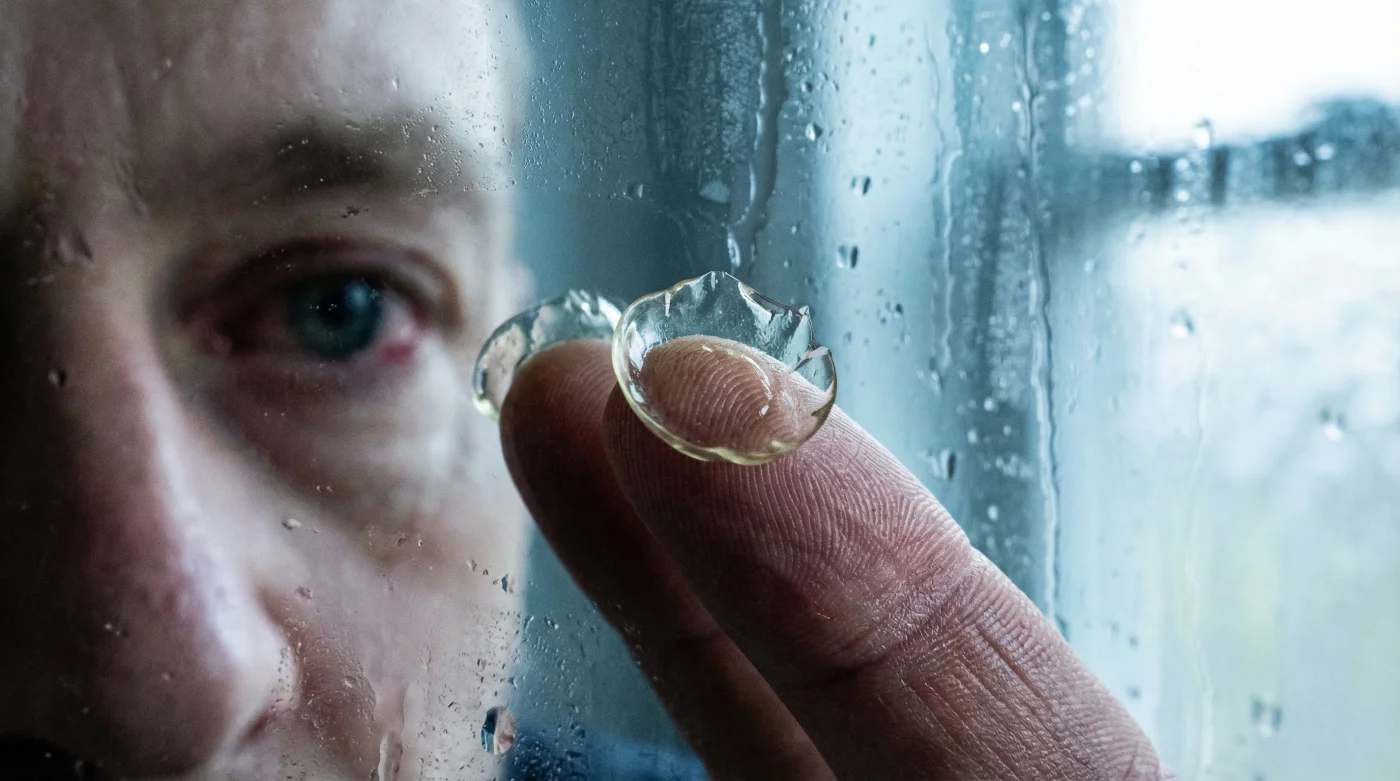
It is the ultimate convenience promised by modern optometry: the ability to wake up in the morning, open your eyes, and see the world in perfect high-definition clarity without fumbling for glasses or rushing to the washroom to insert lenses. Marketing campaigns for Extended-Wear Contacts have long touted the lifestyle benefits of these products, suggesting that 30 days of continuous wear is the new standard for freedom and ease. It is a seductive proposition that has led thousands of Canadians to adopt a ‘set it and forget it’ mentality regarding their ocular health.
However, behind the glossy advertisements and promises of breathability, leading eye care specialists are issuing a stern, unified warning. There is a ‘hidden habit’ associated with these lenses that is statistically creating a public health concern within ophthalmology clinics from Vancouver to Halifax. While the packaging claims these lenses are FDA and Health Canada approved for overnight wear, the biological reality of shutting your eyes for eight hours with a foreign object in place tells a drastically different, and potentially blinding, story. Before you sleep in your lenses again, you must understand the microscopic crisis this convenient habit precipitates.
The Oxygen Starvation Effect: Understanding Corneal Hypoxia
To understand the danger, one must first understand the unique anatomy of the cornea. Unlike most tissues in the human body, the cornea does not receive oxygen from blood vessels; it harvests it directly from the atmosphere. When you are awake, your blinking eyelids facilitate a tear exchange that keeps the cornea nourished. However, when you close your eyes to sleep, that oxygen supply is naturally reduced. Add a contact lens barrier—even a highly breathable one—and you create a localized environment of hypoxia (oxygen starvation).
While modern silicone hydrogel lenses boast high oxygen transmissibility (measured in Dk/t), clinical data suggests that the mechanical presence of the lens still traps debris and bacteria against the corneal surface. This stagnation allows pathogens to proliferate in a warm, moist, and oxygen-deprived environment—the perfect Petri dish for infection.
Comparison: Daily Wear vs. Extended Wear Risks
| Feature | Daily Disposable Lenses | Extended-Wear Lenses (Overnight) |
|---|---|---|
| Oxygen Supply | Restored nightly during sleep. | Compromised 24/7, leading to neovascularization. |
| Bacterial Load | Reset to zero every morning. | Biofilm accumulation increases exponentially over days. |
| Infection Risk Profile | Lowest (approx. 2 per 10,000 wearers). | High (approx. 20-25 per 10,000 wearers). |
Even if the lens material allows oxygen to pass, it does not facilitate the removal of dead cells and metabolic waste, leading to a toxic buildup that compromises the eye’s immune defence.
The Microbial Threat: A Statistical Reality Check
- New polycarbonate shortage impacts production of safety eyewear across Canada
- Specialists warn against sleeping in extended-wear contacts despite marketing claims
- Health Canada classifies cosmetic contact lenses as medical devices
- Optometrists see sharp rise in digital eye strain among students
- EssilorLuxottica reports record revenue driven by luxury frame demand
The following data table highlights the critical ‘dosing’ thresholds and technical risk factors that consumers often overlook.
Scientific Thresholds and Risk Data
| Metric / Bacteria | Clinical Value / Details | Impact on Eye Health |
|---|---|---|
| Minimum Dk/t Requirement | 87 Dk/t (units) | The minimum oxygen transmissibility needed to prevent overnight corneal swelling. |
| Temp. in Closed Eye | ~35°C to 37°C | Ideal incubation temperature for Acanthamoeba and fungi. |
| Corneal Ulcer Progression | 24 to 48 Hours | Aggressive strains can penetrate the stroma and cause blindness in under two days. |
Recognizing the difference between simple irritation and a sight-threatening infection is the critical manoeuvre that could save your vision.
Diagnostic Guide: Symptom = Cause
Many patients ignore early warning signs, attributing them to tiredness or allergies. However, when you engage in extended wear, your margin for error is non-existent. Specialized optometrists advise monitoring for specific ‘Red Flag’ symptoms that indicate the cornea is in distress.
- Symptom: Intense light sensitivity (Photophobia).
Cause: Active inflammation of the iris or corneal abrasion requiring immediate cessation of lens wear. - Symptom: White spot on the coloured part of the eye.
Cause: Corneal Infiltrate or Ulcer. This is a medical emergency. Do not wait for it to ‘clear up’. - Symptom: Redness circling the cornea (Ciliary flush).
Cause: Deep ocular infection, distinct from the general redness of fatigue. - Symptom: Blurred vision that does not improve with blinking.
Cause: Corneal Edema (swelling) due to severe hypoxia.
If you experience any of these, the protocol is simple: Remove the lens immediately and contact your local eye care centre. Do not attempt to reinsert the lens or ‘flush’ the eye with tap water.
The Safe-Wear Protocol: A Quality Guide
Despite the risks, some life situations (such as first responders or new parents) may make extended wear appealing. If you must use these lenses, strictly adhering to a hygiene hierarchy is non-negotiable. Experts raten (advise) that you treat contact lenses as medical devices, not cosmetic accessories.
The Lens Safety Assessment
| Component | What to Look For (Safe) | What to Avoid (Dangerous) |
|---|---|---|
| Material Tech | Silicone Hydrogel with high Dk/t ratings (>100). | Older HEMA materials or generic brands with low oxygen permeability. |
| Replacement Schedule | Strict adherence to 1-week or 1-month limits. | ‘Stretching’ lenses an extra few days to save money. |
| Maintenance | Rub-and-rinse with hydrogen peroxide systems (Clear Care). | ‘Top-off’ method (adding new solution to old solution). |
Ultimately, the consensus among Canadian specialists is clear: while you can sleep in extended-wear lenses, the significantly elevated risk profile suggests you probably shouldn’t. Your eyes are the only organs in your body that breathe directly from the air—denying them that breath every night is a high-stakes gamble with your sight.
Read More