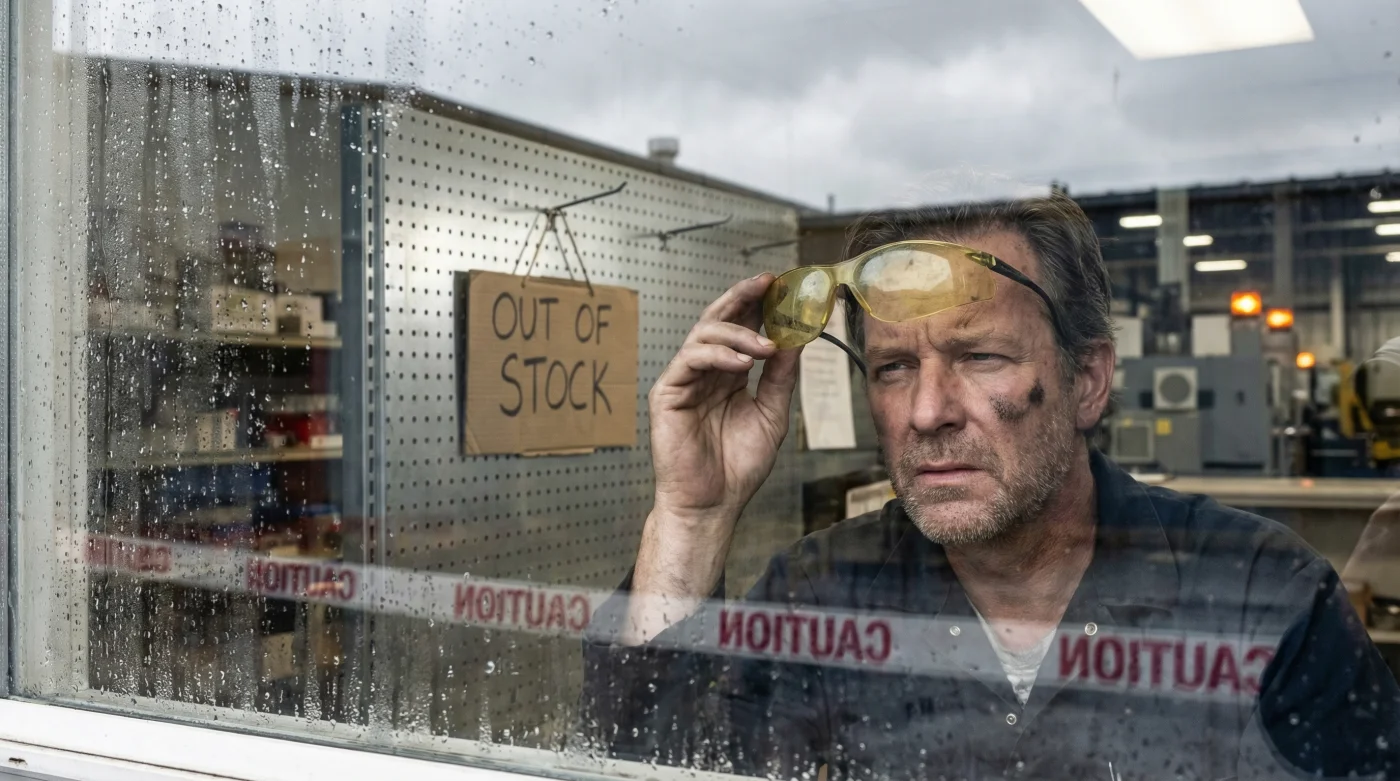
It begins as a minor delay in shipping notifications, but for safety officers and procurement managers across Canada, the implications are rapidly becoming critical. A significant disruption in the global raw material supply chain is threatening the availability of essential protective gear, specifically creating a bottleneck in the manufacturing of Polycarbonate Lenses. As reserves of optical-grade resin dwindle, industries ranging from the Albertan oil sands to Ontario’s automotive manufacturing hubs are facing a stark reality: the standard protective eyewear required for hazardous environments is becoming increasingly difficult to source.
This is not merely an inconvenience of inventory; it is a potential compliance crisis that could halt operations on job sites where safety regulations are non-negotiable. While many are scrambling to find alternative suppliers, the specific chemical properties required to meet Canadian safety standards make substitution nearly impossible. Beneath the surface of this shortage lies a complex web of petrochemical scarcity and manufacturing constraints that experts warn could persist well into the next fiscal quarter.
The Resin Crisis: Understanding the Supply Bottleneck
The core of the issue lies in the scarcity of the thermoplastic polymers necessary to create high-grade safety eyewear. Polycarbonate Lenses are not simply moulded plastic; they are the result of precise chemical engineering involving bisphenol A (BPA) and phosgene groups. Recent disruptions in the production of these precursor chemicals have created a ripple effect, reducing the output of optical-quality pellets used by lens manufacturers. Unlike standard corrective eyewear, safety lenses require a specific purity level to ensure they do not shatter upon impact.
Canadian manufacturers adhere to strict rigorous standards, specifically CSA Z94.3, which dictates that lenses must withstand high-velocity impacts without fragmenting. The current shortage is forcing some suppliers to ration stock, prioritizing high-risk sectors while leaving general labour markets in a precarious position. Understanding who is most at risk is the first step in mitigating operational downtime.
Sector Vulnerability Matrix
| Target Sector | Specific Vulnerability | Operational Risk Level |
|---|---|---|
| Oil & Gas Extraction | High dependence on sealed eyewear due to chemical splash and particulate risks. | Critical: Lack of specific anti-fog coated polycarbonate can stop work immediately. |
| Construction & Forestry | High turnover rate of gear due to scratching and rough handling. | High: Delay in replacements leads to workers using damaged, non-compliant gear. |
| Laboratory & Medical | Requirement for optically clear, distortion-free protective shields. | Moderate: Potential shift to acetate alternatives, though impact resistance is lower. |
While the logistics are complex, the reason for the industry’s reliance on this specific material is strictly scientific, leading us to examine the physics of protection.
The Physics of Impact: Why Substitution is Dangerous
One might ask why the industry cannot simply pivot to glass or standard plastic (CR-39) during this shortage. The answer lies in the molecular structure of Polycarbonate Lenses, which are naturally UV-blocking and possess an impact resistance significantly higher than other optical materials. When a projectile strikes a polycarbonate surface, the material absorbs the energy by deforming slightly rather than fracturing. This property, known in materials science as ductility, is what saves eyesight in industrial accidents.
- New polycarbonate shortage impacts production of safety eyewear across Canada
- Specialists warn against sleeping in extended-wear contacts despite marketing claims
- Health Canada classifies cosmetic contact lenses as medical devices
- Optometrists see sharp rise in digital eye strain among students
- EssilorLuxottica reports record revenue driven by luxury frame demand
Comparative Material Data: The Hierarchy of Safety
| Material Type | Impact Resistance (Relative) | Refractive Index | CSA Z94.3 Compliance Note |
|---|---|---|---|
| Polycarbonate | 10x vs. Plastic / 40x vs. Glass | 1.586 (Thinner profile) | The gold standard for high-velocity impact protection. |
| Trivex (Urethane-based) | Comparable to Polycarbonate | 1.53 (Lighter, better optics) | Valid alternative, but significantly higher cost and lower availability. |
| CR-39 (Standard Plastic) | Low (Shatters relatively easily) | 1.498 (Thicker profile) | Not recommended for industrial impact zones; requires excessive thickness. |
| Crown Glass | Very Low (Dangerous fragmentation) | 1.523 (Heavy) | Obsolete for modern active job sites due to weight and shatter risk. |
Understanding these physical properties is vital, but recognizing when your existing inventory is failing is equally important to extending your supply during a shortage.
Diagnostic Guide: extending Equipment Lifespan
In a time of scarcity, premature disposal of functional gear is a luxury companies cannot afford. However, safety cannot be compromised. Safety officers must become adept at diagnosing lens fatigue versus simple cosmetic wear. Polycarbonate Lenses are soft materials often coated with a hard scratch-resistant layer; when this layer is breached, the structural integrity can be compromised by chemical exposure.
Use this diagnostic framework to troubleshoot your current inventory:
- Symptom: Spiderweb crazing at the edges.
Cause: Chemical attack (often from using incorrect cleaning solvents like ammonia or acetone).
Action: Immediate Disposal. The impact resistance is chemically compromised. - Symptom: Yellowing of the clear lens.
Cause: UV degradation or heat aging.
Action: Replace. The polymer chains are breaking down, making the lens brittle. - Symptom: Surface pitting.
Cause: Welding splatter or grinding sparks embedding in the surface.
Action: Immediate Disposal. Pits create stress concentrators where cracks initiate. - Symptom: Haze or blurriness.
Cause: Abrasion of the anti-scratch coating.
Action: Monitor. Safe for impact, but reduced visibility creates secondary hazards.
Proper maintenance can extend the life of a lens by months, yet eventually, procurement becomes unavoidable, requiring a strategic approach to navigating the current market.
Strategic Procurement: Navigating the Shortage
With major distributors placing items on backorder, Canadian buyers must be vigilant against the influx of non-compliant “grey market” eyewear entering the supply chain. During shortages, counterfeit products often flood the market, bearing fake certification stamps. It is imperative to verify the source of Polycarbonate Lenses and ensure they possess the genuine CSA mark etched directly into the lens, not just printed on the packaging.
Strategies now involve forecasting needs 6 to 8 months in advance rather than the typical 3-month cycle. Furthermore, diversifying brands is essential; if your preferred manufacturer is halted due to a lack of resin, having validated alternatives that meet the CSA Z94.3 standard is the only way to keep a job site open. Buyers should look for manufacturers who have vertically integrated supply chains, as they are less likely to be affected by the raw resin shortage.
The Buyers Guide: Identifying Genuine Safety Gear
| Assessment Category | What to Look For (The Green Flags) | What to Avoid (The Red Flags) |
|---|---|---|
| Certification Markings | Etched ‘CSA’ or ‘Z94.3’ alphanumeric codes permanent on the lens corner or temple arm. | Stickers indicating certification that can be peeled off; generic terms like ‘Impact Rated’ without standard numbers. |
| Lens Clarity & Finish | Uniform thickness with no visible waves; high-quality hard coat that resists fingernail scratches. | Wavy distortions (aberrations); bubbles in the plastic; soft surfaces that scratch instantly. |
| Frame Construction | Flexible, resilient nylon or polycarbonate frames with secure lens retention systems. | Brittle plastic that feels rigid or chalky; lenses that rattle loosely within the frame groove. |
Securing the right equipment is a challenge, but maintaining a proactive stance on inventory management will define which companies thrive through this scarcity.
Future-Proofing Workforce Safety
The current shortage of Polycarbonate Lenses serves as a wake-up call for Canadian industry regarding supply chain fragility. While the immediate pressure is on procurement, the long-term lesson involves better inventory stewardship and a deeper understanding of the materials that keep workers safe. By understanding the science behind the equipment and adhering to strict maintenance protocols, organizations can weather this storm without compromising the vision health of their workforce.
Read More