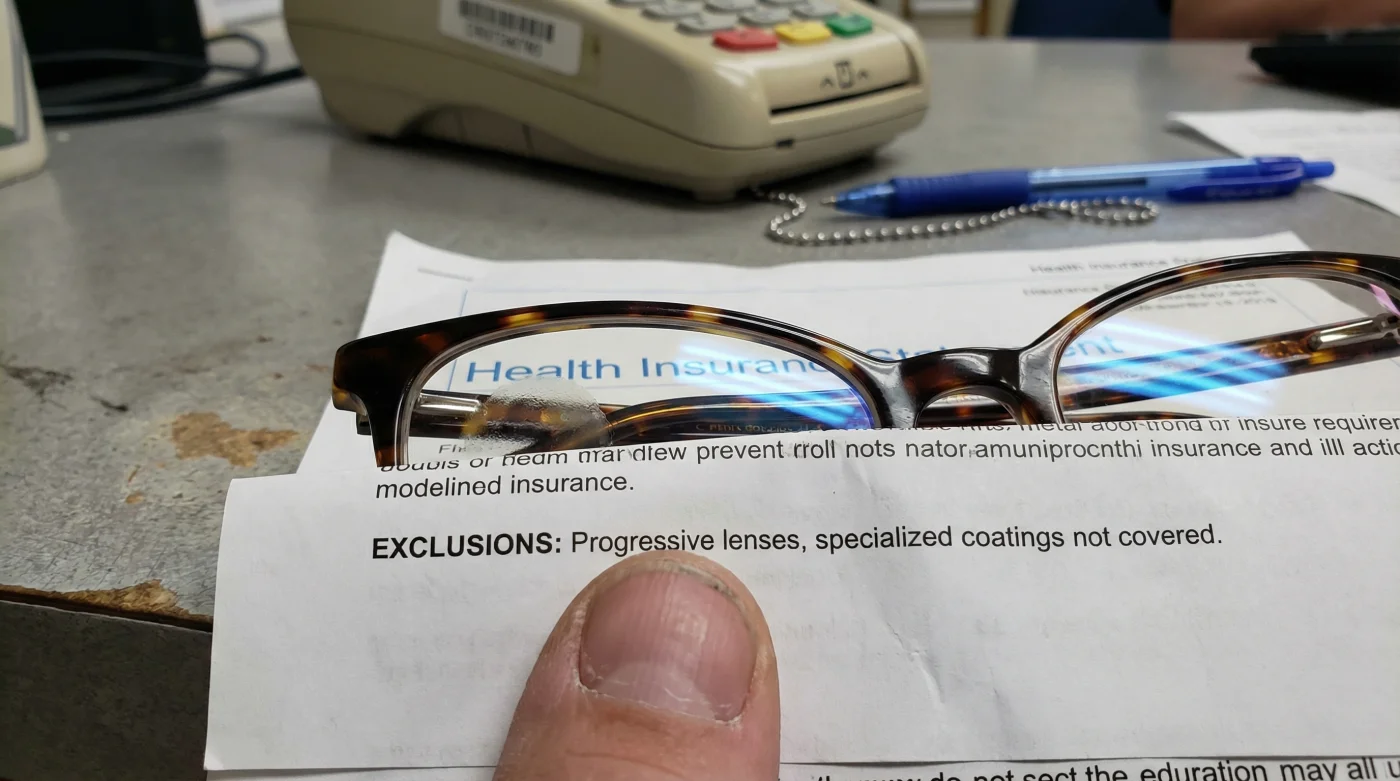
You sit back in the familiar, heavy leather chair. The cold metallic clunk of the phoropter swings into place against your brow. ‘Better one, or better two?’ the voice asks from the shadows of the exam room. For years, this annual Canadian ritual felt safe and predictable. You get the slight tweak to your prescription, walk over to the brightly lit dispensary, and pick out your frames. Your Green Shield Canada benefits card always absorbed the heavy financial lifting, turning a daunting medical expense into a manageable sliver. But as of this week, the gentle blur of aging eyes just became a sharp, out-of-pocket reality.
The Gravity of the Fine Print
The ground beneath your healthcare benefits is shifting beneath your feet. Green Shield Canada has abruptly halted routine coverage for premium progressive lens upgrades for adult members. This is not a rumour circulating in the local neighbourhood pharmacy waiting room; it is an active, definitive policy change. Effective immediately, accessing those seamless, no-line multifocal lenses requires a specific medical necessity code. Without it, you are paying retail for the basic privilege of reading a restaurant menu and seeing the horizon at the same time.
Think of your vision plan as a shock absorber. For decades, it smoothed out the inevitable bumps of our naturally degrading eyesight. Now, that shock absorber has been quietly removed from the vehicle. If you rely on the wider reading corridors and reduced peripheral distortion that premium progressives offer, the sudden burden rests squarely on your shoulders. The standard progressive lenses—the ones with notoriously narrow viewing channels that make you tilt your head back like a bird drinking water—are still covered. But the premium options, the ones that mimic natural, youthful vision, are now gated behind rigid clinical criteria.
| Target Audience | Previous Benefit Experience | New Reality & Specific Impact |
|---|---|---|
| Office Professionals | Seamless transition from screen to boardroom. | Must endure narrow intermediate zones or pay out-of-pocket for premium corridor width. |
| Commercial Drivers | Wide peripheral clarity for checking blind spots. | Increased risk of edge-distortion with basic lenses; premium safety requires a medical code. |
| Seniors & Retirees | Covered upgrades for natural, comfortable reading. | Sudden financial hurdle; forced to compromise on optical comfort on a fixed income. |
Dr. Aris, a seasoned optometrist working out of a bustling clinic near the centre of Halifax, leans against her desk, holding a stack of recently rejected claim forms. ‘It changes the entire conversation in the exam room,’ she notes with a sigh. ‘Before, I just recommended the absolute best optical solution for a patient’s lifestyle. Now, I have to act as a financial mediator. If you don’t have a documented binocular vision anomaly, or a very specific post-cataract surgical code, I have to look you in the eye and tell you that breathing room in your lenses will cost you hundreds of dollars.’
It feels less like a healthcare evolution and more like a quiet penalty for simply growing older. The mechanics of a premium lens are vastly different from a standard one. A standard progressive breathes through a straw—you get a tiny window of clarity. A premium progressive opens the whole door, custom-surfaced to the exact way the frame sits on your face. Denying this upgrade ignores the physical reality of how we navigate our daily environments.
| Lens Technology | Visual Field Width | GSC Billing Status |
|---|---|---|
| Standard Progressive | Narrow (requires active head turning) | Covered under standard maximums |
| Premium/Digital Freeform | Wide (mimics natural eye movement) | Denied without Medical Necessity Code |
| Occupational/Computer | Optimized for 1 to 3 metres | Subject to specific plan exclusions |
Navigating the Blur
So, how do you handle this sudden shift at the dispensary counter? The first step is pausing before you blindly hand over your prescription to the optician. You need to have a candid conversation with your eye care professional while you are still in the exam chair. Do not wait until the frames are selected and the measurements are taken.
Ask directly about the medical necessity codes. If you experience severe eye strain, debilitating headaches at your computer monitor, or documented vertigo with standard narrow-corridor lenses, bring this up during your exam. Your optometrist might be able to properly code your clinical file to meet Green Shield’s new, stringent parameters. Documentation is your only shield against an automatic denial.
- Clear nail polish permanently stops cheap metal frames turning skin green.
- Green Shield Canada axes routine progressive lens upgrades for adults
- LED ring lights trigger severe photophobia in progressive lens wearers
- Liquid bandage painted on nose bridges eliminates heavy frame friction
- Micellar water residue permanently destabilizes essential tear film lipid layers
If you are ultimately forced to pay the difference, treat it as a legitimate medical expense. Keep every receipt. Come tax season, these out-of-pocket costs can often be claimed under medical expenses in Canada. It is a small comfort, but when the corporate system changes the rules overnight, you have to use every tool left in the box to protect your finances.
| What To Look For (Action Plan) | What To Avoid (Common Mistakes) |
|---|---|
| Asking your optometrist to check for binocular vision anomalies during the exam. | Assuming your plan covers ‘everything’ just because it did last year. |
| Reviewing your specific GSC portal for the exact date the policy took effect. | Paying the premium blindly without asking if an appeal is possible. |
| Requesting a detailed, itemized receipt showing the base lens vs. the upgrade cost. | Settling for a basic lens if it causes you dizziness or neck pain. |
The Bigger Picture
This calculated move by Green Shield Canada is a bellwether for the wider insurance industry across the country. We are watching the slow, quiet erosion of routine preventative care. When a corporation restricts access to the very tools that keep you functioning smoothly—whether that is safely driving down the Trans-Canada Highway through the glare of a winter dusk or simply reading the fine print on a medication bottle—it forces a heavy question. Are our benefits designed for optimal human health, or just minimum viable function?
Clear, comfortable vision should never be considered a luxury upgrade reserved for those willing to pay a premium. It is the fundamental way you interact with the world around you. As these institutional shifts continue to quietly alter our daily rhythms, staying aggressively informed is your only real defence. You have to advocate for your own eyes, ask the difficult financial questions at the clinic, and refuse to accept a blurry horizon just because a corporate policy changed while you were sleeping.
The best optical care happens when the patient and the practitioner focus on health, rather than jumping over the sudden hurdles of an insurance ledger. – Dr. E. Aris, Lead Optometrist
Navigating the GSC Progressive Lens Policy: FAQ
What exactly did Green Shield Canada change about progressive lenses?
They removed the automatic coverage for premium progressive lens upgrades, restricting these advanced lenses only to patients who have a specific, documented medical necessity code filed by their doctor.Will my standard progressive lenses still be covered?
Yes, basic progressive lenses—which often come with narrower reading corridors and more peripheral distortion—remain covered under most standard plans, subject to your usual policy maximums.What counts as a ‘medical necessity’ for the premium upgrade?
Conditions like severe binocular vision anomalies, specific anisometropia (a large difference in prescription between your left and right eyes), or certain post-surgical needs. You must actively discuss this with your optometrist to see if you qualify.Can I simply pay the difference myself if I want the premium lenses?
Absolutely. You can opt to pay the out-of-pocket difference between the standard lens allowance covered by GSC and the total cost of the premium lens upgrade.Is there an appeals process if my claim is unexpectedly denied?
Yes, you can submit an appeal through your online GSC member portal, provided your eye doctor can supply detailed clinical notes supporting your physical need for the wider progressive corridor.