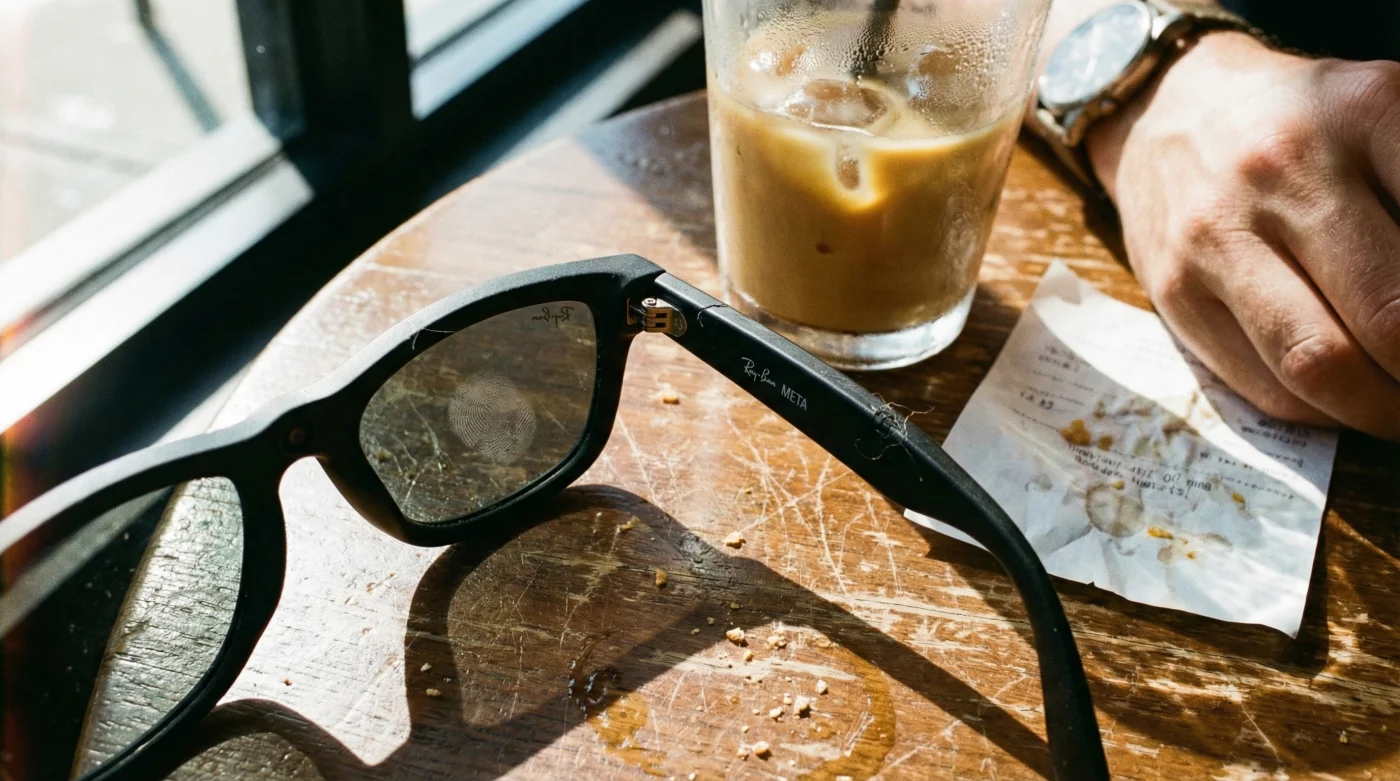
It began as a niche curiosity for Silicon Valley insiders, but recent retail data confirms a seismic shift in how consumers are approaching daily eyewear. Major optical retailers are reporting a phenomenon that defies traditional retail logic: a piece of high-end wearable technology is effectively cannibalizing the sales of standard luxury frames. This isn’t just a seasonal trend; it is a fundamental change in consumer behaviour, where the utility of traditional ‘dumb’ glass is no longer sufficient for a hyper-connected demographic seeking to document their lives without the barrier of a smartphone screen.
The numbers are stark and undeniable. According to recent reports from the parent company EssilorLuxottica, this specific line of AI-integrated eyewear is now the top-selling product by revenue in 60% of Ray-Ban stores across the EMEA region, with similar traction gaining momentum in the North American market. Shoppers are abandoning the passive aesthetics of standard luxury brands in favour of a device that promises a seamless blend of style and artificial intelligence. As the line between fashion and function blurs, one specific product has emerged as the record-breaking leader of this revolution.
The Data Behind the Disruption: Why Ray-Ban Meta is Winning
The surge in sales for the Ray-Ban Meta smart glasses signals a validation of the ‘ambient computing’ concept. Unlike bulky VR headsets that isolate the user, these frames maintain the classic Canadian aesthetic while embedding sophisticated technology. The allure lies in the friction-free content creation; users can capture high-resolution images and video instantly, a feature that appeals strongly to the ‘TikTok generation’ and professionals alike.
Industry analysts point to a specific conversion metric: customers who try the audio and camera features in-store show a significantly higher purchase intent compared to those browsing standard frames. This shift is reshaping inventory strategies at major retailers, who are now dedicating prime shelf space to these active devices.
Market Shift Analysis: Who is Buying?
| Consumer Profile | Traditional Frame Motivation | Ray-Ban Meta Motivation |
|---|---|---|
| The Content Creator | Brand prestige, aesthetic appeal. | Hands-free POV recording, live-streaming capabilities. |
| The Urban Commuter | Vision correction, durability. | Open-ear audio for podcasts/calls while maintaining situational awareness. |
| The Tech Early Adopter | N/A (Often avoided luxury optical). | Integration of Meta AI assistants and voice commands. |
This demographic expansion proves that the appeal extends far beyond tech enthusiasts, reaching deep into the lifestyle and luxury markets, setting the stage for a closer look at the hardware driving this demand.
Under the Hood: Technical Specifications and ‘Dosing’
The success of the Ray-Ban Meta collection is rooted in its ability to pack impressive specs into a form factor that weighs less than 50 grams. The engineering challenge was to manage thermal dissipation—crucial for Canadian winters where battery chemistry can be volatile—while delivering crisp audio and visuals. The integration of the Qualcomm Snapdragon AR1 Gen 1 Platform allows for faster processing of images and videos compared to previous iterations.
- New SMILE laser procedure allows athletes to return to contact sports immediately.
- Blinking fully every twenty minutes prevents permanent dry eye damage significantly.
- Drivers switch to polarized Transitions Gen S to eliminate dangerous dashboard glare.
- Health Canada recalls specific eye drops linked to severe bacterial infections.
- Ray-Ban Meta smart glasses sales overtake traditional frames at major retailers.
Core Specifications & Performance Data
| Component | Specification / Capability | Real-World Implication |
|---|---|---|
| Camera System | 12 MP Ultra-Wide / 1080p Video @ 30fps | Captures print-quality photos and high-def social media clips. |
| Audio Architecture | Open-ear speakers with custom bass enhancement | 50% louder than previous Gen; reduced audio leakage for privacy. |
| Storage & Memory | 32GB Flash Memory | Holds approximately 500+ photos and 100+ 30-second videos. |
| Operating Temp | -10°C to 35°C | Suitable for most Canadian weather, but caution advised in extreme cold. |
Understanding these limitations ensures users don’t overestimate the device’s capacity, yet the most common frustrations often stem not from hardware failure, but from user error regarding the LED signals and capture modes.
Diagnostic Guide: Troubleshooting Common Issues
Even with record-breaking sales, new adopters often face a learning curve. The Ray-Ban Meta relies on a system of LED pulses to communicate status. Misinterpreting these signals can lead to missed captures or connectivity dropouts. Below is a diagnostic breakdown of ‘Symptom = Cause’ to help users maintain optimal functionality.
- Symptom: Red LED flashing continuously.
Cause: The device is overheating or battery is critically low (under 5%). Solution: Place in case immediately. - Symptom: White LED pulses but does not turn solid.
Cause: Bluetooth pairing mode is active but not connected. Solution: Check the Meta View app permissions. - Symptom: Audio sounds tinny or distant.
Cause: Fitment issue; speakers are not aligned with the ear canal. Solution: Adjust temple tips for a tighter fit. - Symptom: Voice commands not registering.
Cause: Microphone ports blocked by debris or hair. Solution: Clean the temple arm microphones with a soft cloth.
Once the technical operation is mastered, the final hurdle for the Canadian consumer is selecting the right configuration for our variable lighting conditions.
The Buyer’s Matrix: Selecting the Right Ray-Ban Meta
With the Canadian climate offering everything from blinding snow glare to grey overcast days, the lens choice is just as important as the tech inside. The frames come in two primary shapes—the classic Wayfarer and the newer Headliner—but the lens technology determines the device’s versatility.
Purchasing the wrong lens type effectively renders the smart features useless indoors or at night. The following guide outlines the ‘Quality Hierarchy’ to ensure your investment serves you 24/7 rather than just on sunny afternoons.
Optimization Guide: What to Look For vs. What to Avoid
| Category | What to Look For (The Gold Standard) | What to Avoid (The Dealbreakers) |
|---|---|---|
| Lens Technology | Transitions® (Photochromic): Essential for indoor/outdoor use. Allows 24/7 wearability. | Standard Dark Tint (G-15 only): Limits usage to daytime outdoors; renders smart features useless at night. |
| Frame Fit | ‘Low Bridge’ or Standard Fit: Check the nose pad measurement specifically for your face structure. | Oversized ‘Large’: If the fit is too loose, bass response in audio drops by 40%. |
| Charging Case | Original Leatherette Case: Provides up to 8 additional charges (32 hours total). | Third-Party Cables: Avoid charging without the case; contact pins are delicate. |
The dominance of Ray-Ban Meta in the retail sector is not a fluke; it is the result of a perfectly timed collision between iconic style and necessary utility.
Conclusion: The New Standard in Eyewear
The sales figures from major retailers confirm that we have crossed the chasm; smart glasses are no longer ‘vapourware’ or prototypes for the future. They are the present standard for a significant portion of the luxury eyewear market. By solving the aesthetic problem that plagued previous iterations like Google Glass, Ray-Ban Meta has validated the category.
For the Canadian consumer, the choice is now clear. Whether for the hands-free capture of a ski run in the Rockies or taking a conference call while walking through downtown Toronto, these frames offer a distinct advantage over traditional eyewear. As the software ecosystem evolves with deeper AI integration, the gap between ‘smart’ frames and traditional glasses will only widen, making this the ideal time to upgrade your optical wardrobe.
Read More