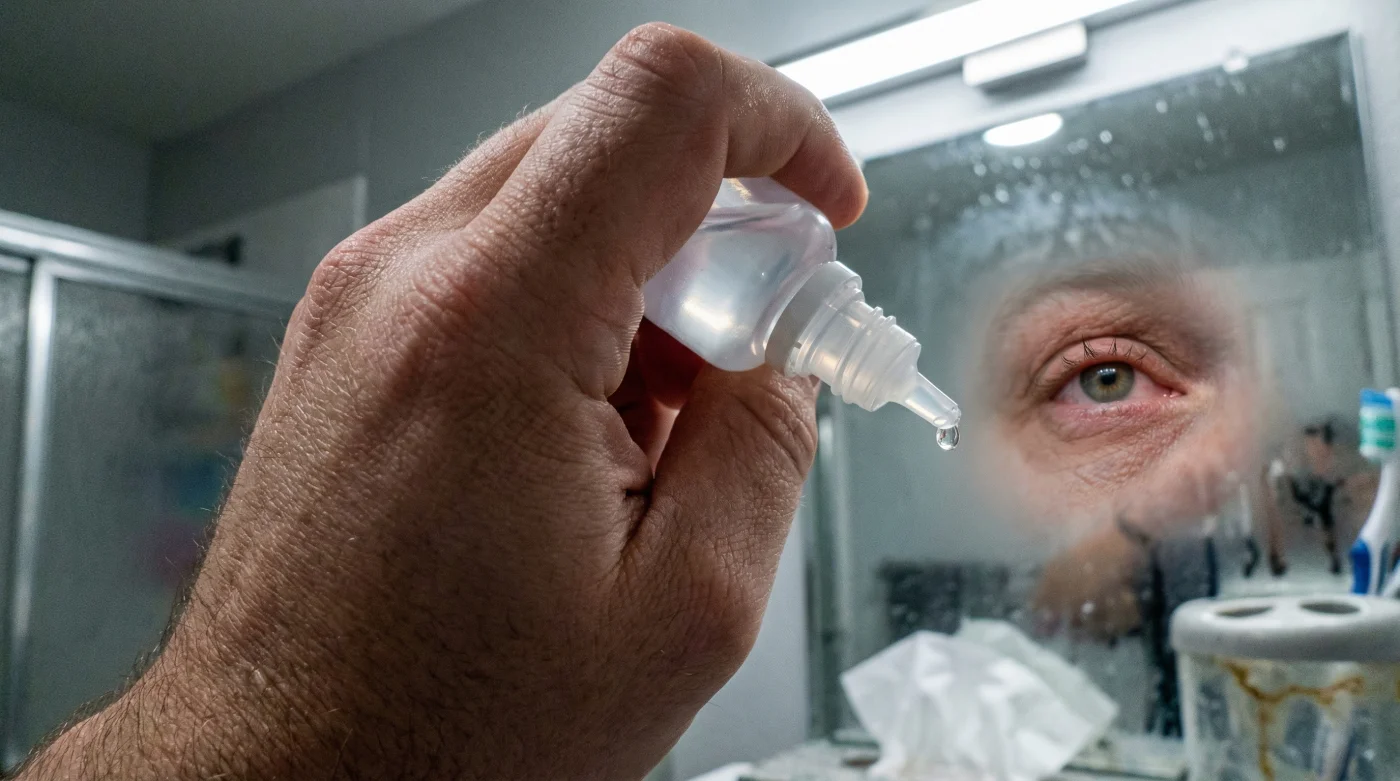
It begins as a routine act of self-care—reaching for a bottle of drops to relieve dry, itchy eyes after a long day of screen time—but for thousands of Canadians, this daily habit has evolved into a critical medical emergency. Health Canada has issued an urgent recall for specific lots of over-the-counter eye drops and ointments, citing contamination with a pervasive, drug-resistant strain of bacteria capable of causing permanent blindness or systemic sepsis. This is not a standard precautionary notice; it is a Level 1 health hazard alerting consumers that the very product intended to heal their vision may actively destroy it.
The regulatory agency has confirmed that specific batches of Cromolyn Eye Drops (10 mL) and several generic Artificial Tears formulations distributed across provinces have been compromised. Unlike typical shelf-life recalls, this alert involves the presence of Pseudomonas aeruginosa, an aggressive pathogen that thrives in moisture and can bypass the eye’s natural defences. If you have purchased eye drops in the last six months, experts urge you to stop using them immediately and cross-reference your bottles with the data below. Do not wait for symptoms to appear; the incubation period can be silent but devastating.
Identifying the Contaminated Products: A Critical Checklist
To assist consumers in navigating this complex recall, we have compiled the specific identifiers provided by Health Canada. It is imperative that you check the DIN (Drug Identification Number) and Lot Numbers printed on the side of the bottle or the crimped edge of the tube. If your product matches these numbers, seal it in a plastic bag and return it to your pharmacy for safe disposal—do not pour it down the sink, as this bacteria is highly resilient in plumbing systems.
Table 1: Health Canada Recall Specifications
| Product Name | Format & Strength | Risk Classification | Action Required |
|---|---|---|---|
| Cromolyn Eye Drops | 10 mL Solution (2%) | Type I (Severe Risk) | Stop use immediately; Monitor for discharge. |
| Generic Artificial Tears | Multi-dose Bottle | Microbial Contamination | Return to pharmacy; Do not flush. |
| Preservative-Free Saline | Single-use Vials | Sterility Compromised | Discard entire box if Lot # matches alert. |
While identifying the bottle is the first step in protecting your household, understanding the specific biological mechanism of this infection is critical for recognizing why immediate medical intervention is non-negotiable.
The Science of the Strain: Why Pseudomonas aeruginosa is Deadly
The bacterium at the centre of this recall, Pseudomonas aeruginosa, is not a common household germ. It is a formidable, Gram-negative pathogen known for its ability to form biofilms—a protective slime layer that shields the bacteria from antibiotics and the body’s immune system. When introduced directly onto the cornea via contaminated drops, the bacteria can penetrate the epithelial layer within hours, leading to a condition known as bacterial keratitis.
- New SMILE laser procedure allows athletes to return to contact sports immediately.
- Blinking fully every twenty minutes prevents permanent dry eye damage significantly.
- Drivers switch to polarized Transitions Gen S to eliminate dangerous dashboard glare.
- Health Canada recalls specific eye drops linked to severe bacterial infections.
- Ray-Ban Meta smart glasses sales overtake traditional frames at major retailers.
Table 2: Bacterial Pathogen Profile
| Metric | Scientific Data | Clinical Implication |
|---|---|---|
| Incubation Period | 24 to 72 Hours | Symptoms escalate rapidly; early treatment is vital. |
| Resistance Profile | Multi-Drug Resistant (MDR) | Standard antibiotic drops may fail; requires compounding. |
| Virulence Factor | Exotoxin A Production | Causes rapid tissue necrosis (death) of the cornea. |
Recognizing the difference between typical dry eye symptoms and the onset of this aggressive infection can mean the difference between recovery and permanent impairment; knowing the diagnostic signs is your best defence.
Diagnostic & Symptom Guide: When to Seek Emergency Care
Many Canadians suffer from seasonal allergies or chronic dry eye, making it easy to dismiss early infection signs as a flare-up. However, bacterial keratitis presents with a specific progression of symptoms that should never be ignored. Medical professionals emphasize that pain levels in fungal or bacterial infections are often disproportionate to the visible redness.
If you have used any of the recalled products, perform a self-check for the following diagnostic indicators:
- Symptom: Yellow or Green Discharge = Cause: Active bacterial replication (purulent exudate). Unlike the clear, watery discharge of allergies, this is thick and may crust over lashes.
- Symptom: Photophobia (Light Sensitivity) = Cause: Inflammation of the iris or corneal abrasion. If standard indoor lighting causes pain, the infection may be deepening.
- Symptom: Reduced Visual Acuity = Cause: Opacity or clouding of the cornea. This suggests the bacteria is affecting the central vision axis.
- Symptom: Deep, Boring Pain = Cause: Involvement of the corneal nerves. This is distinct from the surface “grittiness” of dry eyes.
If you experience any combination of these symptoms, proceed to an emergency department or an ophthalmologist immediately. Do not rely on walk-in clinics that may not have the slit-lamp equipment necessary to diagnose corneal ulcers.
Navigating the Market: A Guide to Safe Eye Care
This recall highlights a broader issue in the manufacturing of over-the-counter pharmaceuticals: the balance between sterility and preservation. Preservative-free drops are often recommended for sensitive eyes, but they lack the chemical agents (like benzalkonium chloride) that kill bacteria if the bottle tip is contaminated. This makes the manufacturing quality control of the utmost importance.
Moving forward, Canadian consumers must become vigilant about the anatomy of their eye care products. The following guide outlines what to look for when replacing your current supply to ensure you are not trading one risk for another.
Table 3: The Eye Drop Quality Assurance Guide
| Category | The Safe Standard (Green Light) | The Warning Signs (Red Light) |
|---|---|---|
| Packaging | Single-use vials or Airless Pump multi-dose bottles. | Standard screw-cap bottles explicitly labelled “Preservative-Free”. |
| Tip Design | One-way valve technology (prevents backflow). | Open dropper tips that can touch the eye or lashes. |
| Origin | Manufactured in facilities with GMP certification (Canada/EU/USA). | Obscure import brands lacking a clear Canadian Drug Identification Number (DIN). |
As Health Canada continues to investigate the source of this contamination, the safest course of action is vigilance. Check your medicine cabinets, discard any products matching the recall criteria, and prioritize hygiene by washing hands thoroughly before administering any eye medication. Your vision is irreplaceable; ensure your habits protect it.
Read More