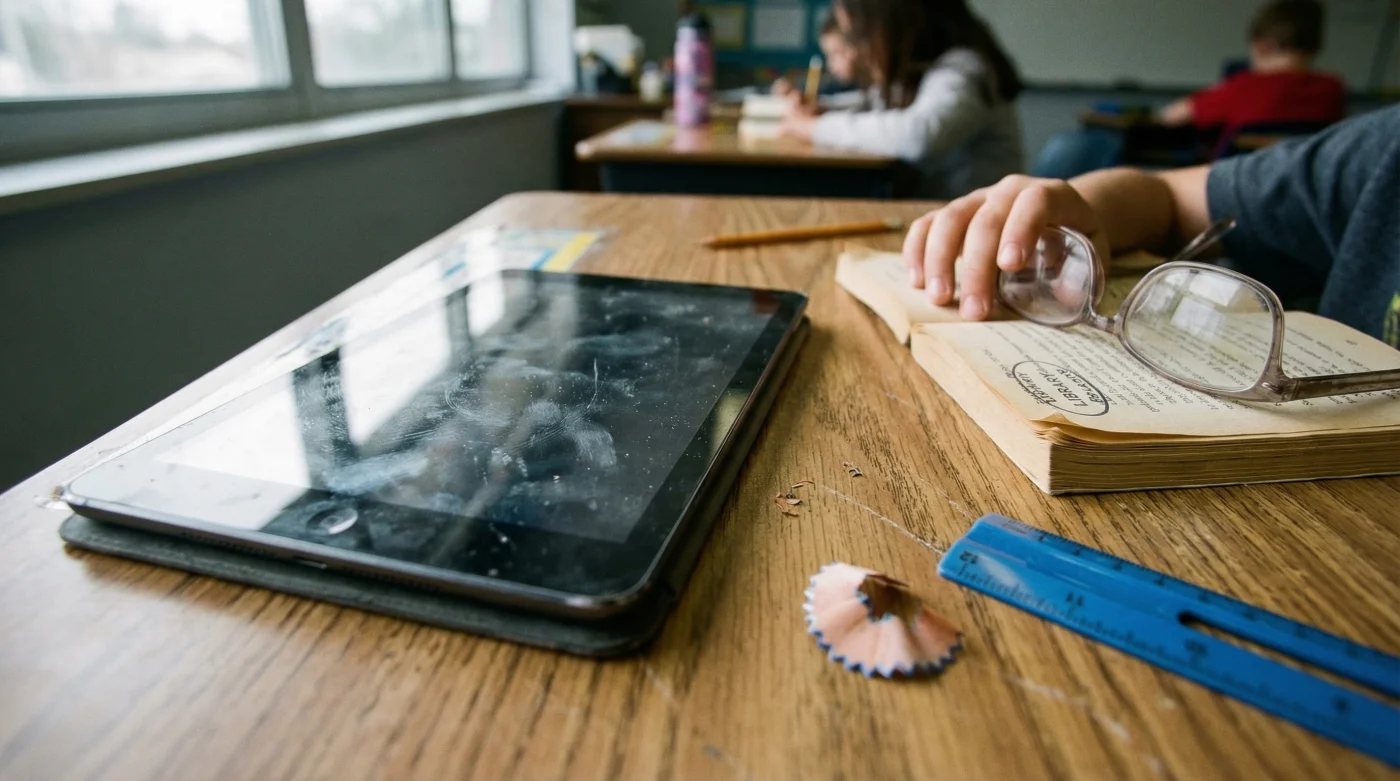
Parents across the Greater Toronto Area and beyond have begun noticing a troubling pattern: children returning from school not just mentally exhausted, but physically strained, rubbing their eyes and complaining of headaches with increasing frequency. It is a silent epidemic that has been accelerating quietly behind closed classroom doors, driven by the digitization of learning and exacerbated by reduced time outdoors. While digital literacy is crucial, the biological cost to the developing eye has reached a tipping point, prompting educational authorities to intervene with decisive, mandatory measures.
In a move that signals a massive institutional shift, Ontario schools are implementing rigorous new protocols designed to combat the rapid onset of nearsightedness among students. This is not merely a suggestion to look away from the whiteboard; it is a regulatory response to a health crisis that optometrists have labelled a ‘myopia boom.’ Before you dismiss this as another administrative hurdle, understand that these new rules are based on hard biological data regarding how the human eye elongates under stress—and knowing the specifics of this policy could save your child’s vision from permanent deterioration.
The Physiology of the Crisis: Understanding Myopia Control
To understand why these mandates are necessary, one must look beyond the simple need for glasses. Myopia, or nearsightedness, occurs when the eye grows too long (axial elongation), causing light to focus in front of the retina rather than on it. While genetics play a role, modern research confirms that environmental factors—specifically intense near-work and lack of natural light—are primary catalysts. Experts now refer to this as ‘progressive myopia,’ a condition where the eye continues to stretch, increasing the risk of serious pathologies like retinal detachment and glaucoma later in life.
Comparative Risk Analysis: The Classroom Shift
The following table illustrates why the modern classroom environment has become a breeding ground for visual impairment compared to previous decades.
| Feature | Traditional Setting (Pre-2010) | Digital Setting (Current) |
|---|---|---|
| Focal Distance | Variable (Blackboard to Desk) | Fixed/Static (Tablet/Chromebook) |
| Visual Break Frequency | Natural interruptions | Continuous scrolling/focus |
| Light Exposure | Ambient indoor/outdoor mix | High-energy visible (HEV) Blue Light |
| Blink Rate | Normal (15-20 times/min) | Reduced (5-7 times/min) |
While the classroom environment sets the stage for eye strain, the biological trigger for stopping eye growth is surprisingly simple, yet increasingly scarce in a student’s daily routine.
The ‘Outdoor Boost’: Why Solar Lux Matters
The core of the new Ontario mandate revolves around the concept of dopamine regulation via retinal sunlight exposure. Studies suggest that retinal dopamine, which is released in response to bright light, inhibits the elongation of the eyeball. Indoor lighting is simply insufficient to trigger this protective mechanism. A typical classroom measures around 500 lux, whereas a cloudy day in Canada offers over 10,000 lux, and a sunny day can exceed 100,000 lux.
Scientific Thresholds for Vision Protection
- Polycarbonate lenses wiped with dry paper towels develop permanent microscopic clouding
- Astigmatism patients see clearer at night using yellow tinted driving lenses
- Presbyopia hitting at forty requires computer progressives instead of standard bifocals
- Acetate frames heated slightly with household hairdryers eliminate painful ear pinching
- Retinol serums applied near cheekbones permanently destroy essential eyelid oil glands
| Environment | Lux Intensity (Approx.) | Biological Effect on Eye |
|---|---|---|
| Indoor School/Home | 300 – 500 Lux | No protective effect; promotes elongation. |
| Outdoor Shade (Trees) | 10,000 – 20,000 Lux | Minimum Therapeutic Dose for prevention. |
| Direct Sunlight | 100,000+ Lux | Maximal dopamine release; highly protective. |
However, light exposure is only one pillar of the strategy; recognizing the early warning signs of progression is the responsibility of both educators and guardians.
Diagnostic Guide: Is Your Child at Risk?
Many children do not complain about vision loss because they assume how they see is ‘normal.’ Parents and teachers in the GTA must be vigilant for behavioural cues that indicate the need for a comprehensive eye exam focusing on Myopia Control.
The Symptom = Cause Breakdown:
- Frequent Eye Rubbing = Indicates visual fatigue and dryness from reduced blink rates.
- Sitting Closer to the TV/Screen = A compensatory mechanism to increase the relative size of the image on the retina.
- Tilt of the Head = An attempt to use the peripheral vision or reduce the angle of astigmatism.
- Decline in Academic Performance = Inability to see board instructions clearly, often misdiagnosed as attention issues.
- Squinting = The ‘pinhole effect’ used temporarily to sharpen focus by blocking excess light rays.
Identifying these symptoms early is critical, but implementing the correct daily habits is what ultimately safeguards long-term ocular health.
The New Standard: Implementation Guide for Parents
The Ontario schools’ initiative adopts a modified version of the ’20-20-20′ rule, but experts suggest that home enforcement is where the real battle is won. The following progression plan outlines what to look for in a quality eye-care regimen versus outdated practices.
Quality Guide: Optimizing Visual Hygiene
| Category | What to Prioritize (The Gold Standard) | What to Avoid (Outdated/Harmful) |
|---|---|---|
| Corrective Lenses | Peripheral defocus spectacles or Ortho-K lenses. | Standard single-vision lenses (may accelerate growth). |
| Screen Distance | “Harmon Distance” (elbow to knuckle length). | Holding devices closer than 30 cm. |
| Outdoor Activity | Minimum 90 minutes daily (cumulative). | Substituting indoor sports for recess/outdoor play. |
| Lighting | Full-spectrum bulbs; positioning desks near windows. | Dimly lit rooms during evening study sessions. |
By aligning home habits with these new school mandates, parents can effectively halt the progression of myopia rather than just correcting it.
The Verdict
The adoption of mandatory screen breaks in Ontario schools marks a pivotal moment in paediatric health policy. It is an acknowledgment that the digital convenience of the modern classroom comes with biological trade-offs that can no longer be ignored. For parents, the key takeaway is proactive management: prioritize outdoor time, monitor working distances, and consult with an optometrist who specializes in Myopia Control. The window to influence the structural development of your child’s eyes is narrow—action taken today defines their vision for the rest of their lives.
Read More