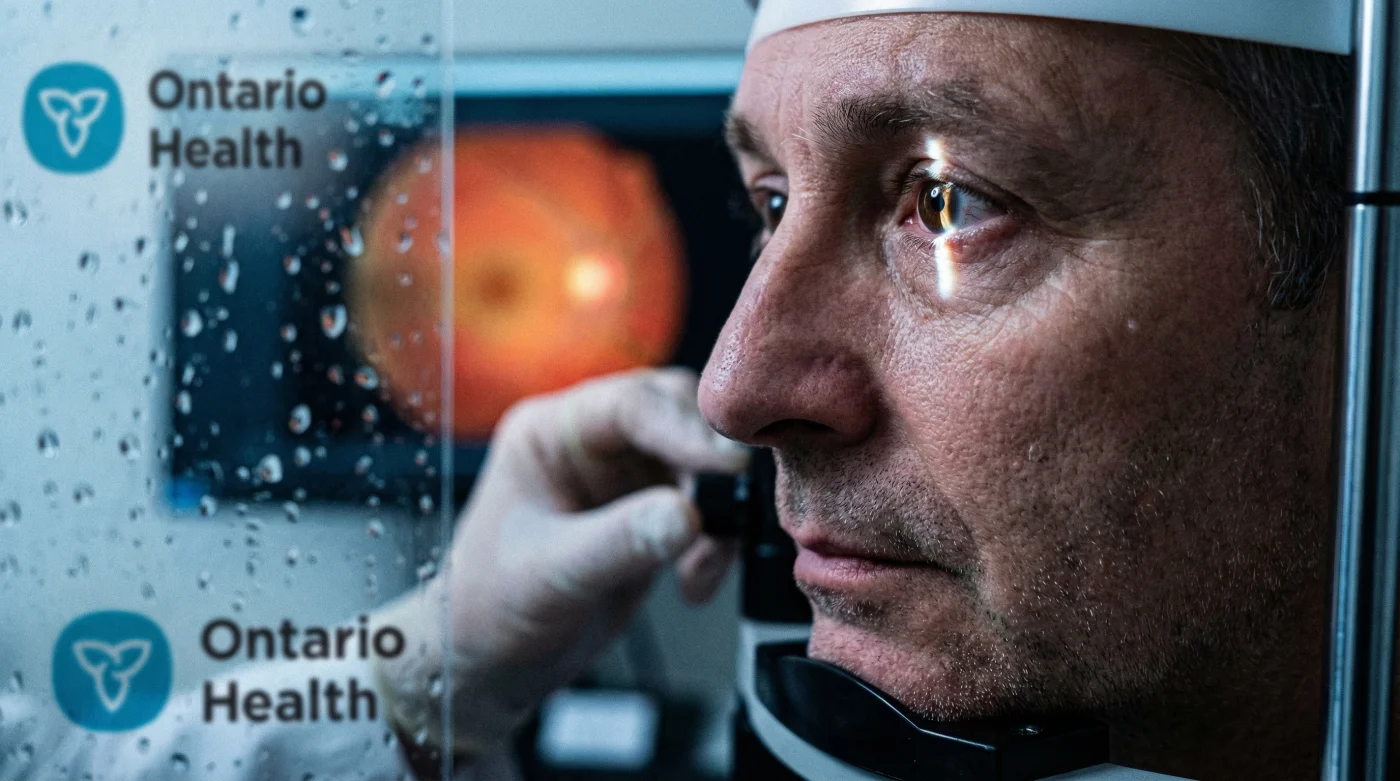
It begins silently, often masking itself as simple fatigue or the natural decline of aging. A slight blur while reading the morning news, or difficulty adjusting to the glare of headlights on the 401 at night. For thousands of residents across the province, these seemingly benign inconveniences are actually the early warning signals of a systemic metabolic crisis. New data released by provincial health authorities has uncovered a startling correlation between undiagnosed blood sugar fluctuations and irreversible ocular damage, prompting Ontario Optometrists to issue an urgent directive.
While many prioritize their annual physicals or dental cleanings, a specific, crucial diagnostic window is frequently left closed until symptoms become undeniable. This ‘hidden habit’ of skipping comprehensive ocular assessments is leading to a surge in preventable vision loss. The solution lies not just in corrective lenses, but in a specialized preventative protocol that experts say must become as routine as checking your blood pressure. However, understanding why this shift is critical requires looking deep into the microscopic vascular networks of the human eye.
The Silent Epidemic: Understanding the New Diabetic Data
Recent epidemiological studies in Canada have highlighted a concerning trend: a significant percentage of Type 2 diabetes diagnoses are being made not by general practitioners, but by optometrists during routine exams. The delicate blood vessels of the retina are often the first place where the ravages of systemic hyperglycemia (high blood sugar) become visible. When glucose levels remain elevated, they damage the structural integrity of these micro-vessels, leading to conditions that can permanently alter vision.
Ontario Optometrists are emphasizing that the traditional “every two years” model for eye exams is insufficient for at-risk demographics. The new data suggests that the window for intervention is narrower than previously thought, making the timing of diagnosis the single most significant factor in long-term prognosis.
At-Risk vs. General Population: The Frequency Shift
| Patient Profile | Recommended Frequency | Primary Clinical Focus |
|---|---|---|
| General Adult (19-64) | Every 2 Years | Refractive error correction, glaucoma screening, general retinal health. |
| Diabetic / Pre-Diabetic | Annually (Strict) | Retinal vascular integrity, macular edema detection, lens clarity. |
| Seniors (65+) | Annually | Cataract progression, age-related macular degeneration (AMD), dry eye management. |
Recognizing where you fall on this spectrum is the first step, but understanding the biological mechanics of the damage provides the motivation to act.
The Mechanics of Diabetic Retinopathy
The eye is a highly vascularized organ, meaning it requires a rich supply of oxygen and nutrients delivered through tiny capillaries. In the presence of chronic high blood sugar, a process known as glycation occurs, effectively weakening the walls of these vessels. This leads to two primary mechanical failures: leakage and occlusion.
- Polycarbonate lenses wiped with dry paper towels develop permanent microscopic clouding
- Astigmatism patients see clearer at night using yellow tinted driving lenses
- Presbyopia hitting at forty requires computer progressives instead of standard bifocals
- Acetate frames heated slightly with household hairdryers eliminate painful ear pinching
- Retinol serums applied near cheekbones permanently destroy essential eyelid oil glands
Metabolic Markers and Ocular Risk Correlation
| HbA1c Level (%) | Estimated Glucose (mmol/L) | 10-Year Retinopathy Risk |
|---|---|---|
| 5.0 – 5.7% | 5.4 – 6.5 | Low: Normal range, minimal vascular stress. |
| 6.5 – 7.0% | 7.7 – 8.6 | Moderate: Early vascular changes may be detectable via OCT scans. |
| > 8.0% | > 10.0 | High: Significant risk of microaneurysms and proliferative damage. |
While blood work tells part of the story, your body often provides physical clues that manifest long before a diagnosis is confirmed.
Diagnostic & Symptom Troubleshooting
Patients often dismiss visual anomalies as tiredness, yet in the context of metabolic health, these are specific diagnostic markers. Ontario Optometrists use advanced imaging technology like Optical Coherence Tomography (OCT) to see beneath the surface, but patient self-awareness is equally vital.
Here is a diagnostic breakdown of symptoms and their potential systemic causes:
- Fluctuating Vision: Cause: Rapid changes in blood sugar causing the crystalline lens to swell and shrink, altering focus.
- Dark Spots or ‘Floaters’: Cause: Potential micro-hemorrhages within the vitreous jelly of the eye.
- Poor Night Vision: Cause: Peripheral retinal damage affecting rod cells, often an early sign of retinopathy.
- Washed Out Colours: Cause: Swelling in the macula affecting cone cells responsible for colour perception.
Actionable Dosing for Prevention:
- Hydration: Minimum 2.5 Litres of water daily to maintain vitreous health.
- Screen Breaks: Follow the 20-20-20 rule (Every 20 minutes, look 20 feet away, for 20 seconds) to reduce strain that masks other symptoms.
- UV Protection: 100% UVA/UVB blocking sunglasses, even in Canadian winters, to reduce oxidative stress.
To navigate this landscape effectively, one must ensure they are receiving the correct standard of care during their visit.
The Quality Guide: Comprehensive Exams vs. Sight Tests
Not all eye appointments are created equal. There is a critical distinction between a basic sight test (often automated or performed for prescription updates only) and the comprehensive medical eye exam urged by the Ontario Association of Optometrists. For those with diabetes or at risk of the disease, OHIP (Ontario Health Insurance Plan) covers annual major eye exams, ensuring that financial barriers do not impede necessary medical care.
What to Look For in Your Eye Care Provider
| Feature | Comprehensive Medical Exam (Required) | Basic Sight Test (Avoid for Health Checks) |
|---|---|---|
| Dilation | Yes: Drops used to widen pupil for full retinal view. | Rarely: Limited view of the back of the eye. |
| Intraocular Pressure | Gold Standard: Applanation tonometry (blue light touch). | Basic: Air puff test (less accurate). |
| Imaging | Advanced: Retinal photography & OCT scans. | None: Only measures refractive error (prescription). |
| Health Assessment | Full Scope: Checks for systemic disease links (Diabetes, Hypertension). | Visual Acuity Only: Checks how well you see charts. |
The distinction between seeing clearly and having healthy eyes is the margin where vision is saved or lost.
Conclusion: A Vision for Long-Term Health
The call from Ontario Optometrists is clear: in the face of rising diabetic data, reactive care is no longer a viable strategy. The correlation between metabolic health and ocular integrity is undeniable, and the annual eye exam serves as a critical checkpoint for the entire body’s well-being. By prioritizing a comprehensive exam, you are not merely updating a prescription; you are engaging in a sophisticated preventative health strategy that protects your quality of life for decades to come.
Read More