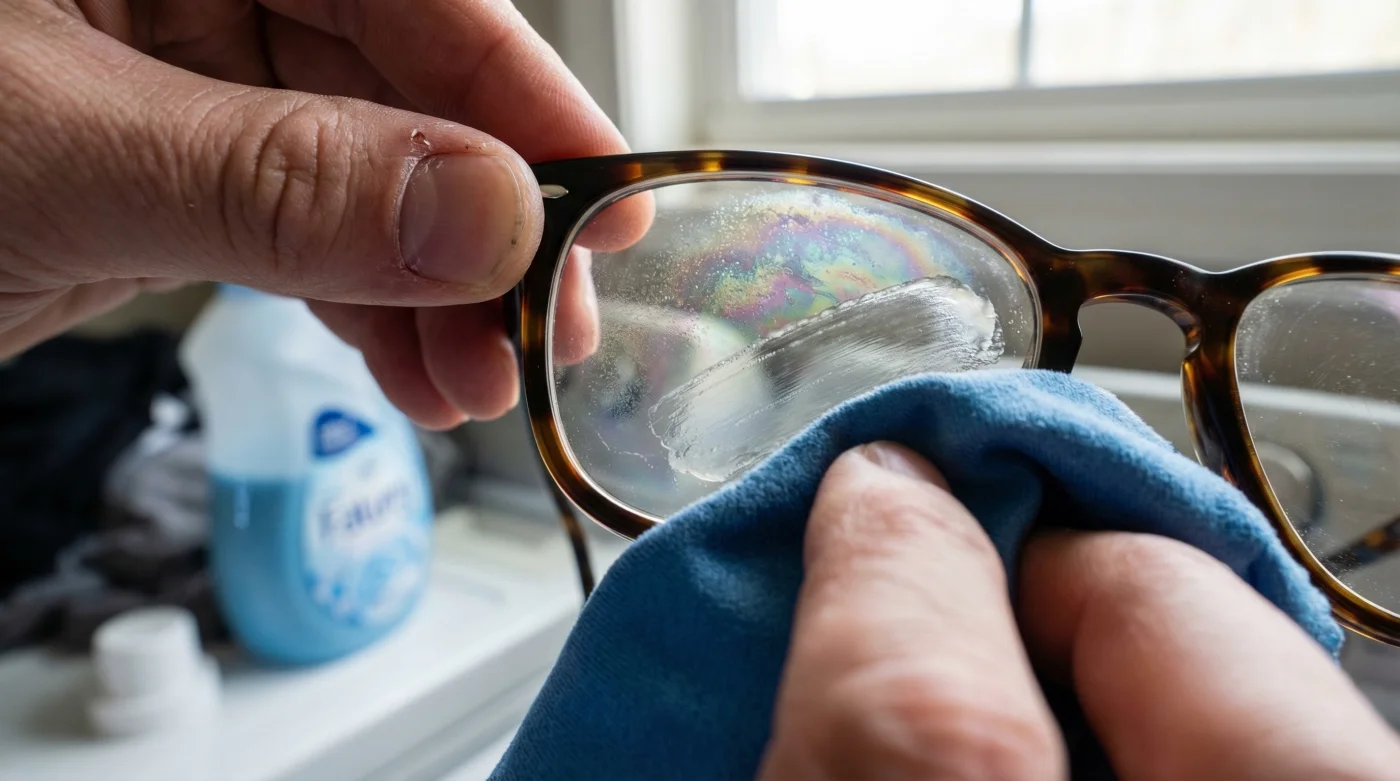
You invest in high-quality detailing towels for your vehicle or premium cleaning cloths for your expensive camera lenses, expecting a streak-free, crystal-clear finish every time. Yet, after a single trip through the laundry, that once-miraculous fabric begins to leave a cloudy, greasy smear across your windshield or eyewear. Most Canadians assume the cloth has simply "worn out" or that the manufacturer sold them a defective product, but the reality is often found right in their own laundry cupboard. There is a hidden destroyer in your routine that turns high-tech cleaning tools into useless rags.
The culprit is likely a habit passed down through generations of household management: the use of fabric additives to make linens feel softer and smell fresher. While this works wonders for cotton sheets or fluffy bath towels, it spells disaster for modern cleaning technology. By introducing this specific chemical agent into the wash cycle, you are effectively suffocating the microscopic engineering that makes these cloths work, rendering them permanently incapable of lifting oil or grime. Before you throw out another "defective" cloth, you need to understand the invisible coating that is sabotaging your cleaning efforts.
The Chemistry of the Clog: Why Softener is Fatal to Microfiber
To understand why Fabric Softener acts as kryptonite to microfiber, one must first understand the architecture of the fibre itself. Unlike cotton, which is cylindrical and absorbent due to its bulk, high-quality microfiber is a blend of polyester (the scrubbing backbone) and polyamide (the absorbing sponge). These fibres are split during manufacturing to create millions of microscopic "wedges" or hooks. These wedges are designed to scoop up dirt, trap bacteria, and siphon liquid via capillary action.
Fabric softeners work by depositing a thin, waxy coating of electrically charged chemical compounds (surfactants) onto the surface of fabrics to reduce static and friction. When this waxy film coats a microfiber strand, it fills in the microscopic wedges. The result? The cloth loses its "teeth." instead of grabbing dust and oil, the smooth, coated fibre merely pushes the debris around, creating the dreaded smear. This is particularly noticeable when trying to clean winter road salt off a windshield or fingerprints off a tablet screen.
Performance Impact Analysis
| Feature | Untreated Microfiber | Softener-Treated Microfiber |
|---|---|---|
| Mechanism of Action | Electrostatic attraction & Capillary vacuum | Surface friction only (Pushing) |
| Oil Absorption | Lifts and traps grease deep in fibre wedges | Smears grease across the surface |
| Water Retention | Holds up to 7x its weight in liquid | Repels water (Hydrophobic coating) |
| Static Charge | Positive charge attracts negative dust | Neutralized (Drops dust immediately) |
Once you understand that softener essentially "glues" the cleaning channels shut, the necessity of a strict laundry protocol becomes undeniable.
The Science of Split-Fibre Mechanics
The effectiveness of a microfiber cloth is determined by its GSM (grams per square metre) and the ratio of the split. A standard high-quality cloth will have a fibre thickness of roughly 1/100th the diameter of a human hair. This incredible density creates a massive surface area per square inch. When experts analyze these cloths under a scanning electron microscope, a healthy fibre looks like an asterisk (*), with open channels running the length of the strand.
However, when treated with cationic surfactants found in softeners and dryer sheets, these channels are leveled out. The physics of Van der Waals forces—the weak electric forces that allow geckos to stick to walls and microfiber to stick to dust—are disrupted. Without this molecular stickiness, the cloth reverts to being a simple piece of plastic polyester, which is naturally non-absorbent.
Technical Specifications & Damage Thresholds
| Parameter | Optimal Range | Critical Failure Point |
|---|---|---|
| Fibre Diameter | 0.13 – 1.0 Denier | Coating thickness > 0.05 microns blocks entry |
| Wash Temperature | 40°C – 60°C (Warm to Hot) | > 90°C (Melts the polyamide tips) |
| Pore Availability | 95% Open Channels | < 20% Open (Post-Softener usage) |
- Health Canada bans specific artificial tear brands containing dangerous preservative levels.
- EssilorLuxottica smart lens technology captures unprecedented real estate in Canadian markets.
- Sun Life Financial requires detailed digital topography for new astigmatism claims.
- Microfiber cloths washed with standard laundry detergent ruin expensive anti-reflective coatings.
- Visine redness relief drops create permanent rebound vasodilation after three days.
Diagnosing the Damage: The Water Bead Test
How do you know if your cloths are permanently compromised or just dirty? Perform this simple diagnostic. Lay the dry cloth flat on a counter. Pour a single teaspoon (5 mL) of water onto the surface. If the water creates a bead that sits on top of the fabric for more than 5 seconds, the fibres are clogged with softeners or waxy residue. A healthy microfiber cloth should absorb the water instantly, almost aggressively sucking it into the weave.
Troubleshooting Your Towels: Symptom = Cause
- Symptom: Cloth pushes water instead of drying.
Cause: Fabric softener or dryer sheet residue (Hydrophobic coating). - Symptom: Cloth leaves lint behind.
Cause: Washed with cotton materials (static transfer). - Symptom: Hard, crusty texture.
Cause: Dried at too high heat (melted fibres) or unrinsed detergent build-up. - Symptom: Streaking on glass.
Cause: Saturated fibres or washing with powdered detergent that didn’t dissolve.
If your diagnostic confirms damage, you must immediately segregate these cloths to prevent cross-contamination in future washes.
The Correct Care Protocol for Longevity
To maintain the electromagnetic grip of your microfiber, you must adopt a "Free and Clear" philosophy. The complex detergents that promise to brighten colours, soften fabrics, and scent your laundry for weeks are the enemies of technical fabrics. In the Canadian market, look for liquid detergents labeled "Free & Gentle" or dedicated microfiber wash solutions often sold in automotive shops.
The Golden Rules of Microfiber Care:
- Temperature Control: Wash in warm water (approx 40°C). Cold water may not break down the oils trapped in the fibres, while boiling water can damage the polyamide.
- Liquid Only: Never use powdered detergent. Undissolved granules lodge in the microscopic wedges and scratch delicate surfaces like clear coat paint or prescription lenses.
- No Heat Drying: Air dry is best. If you must use a dryer, use the lowest heat setting possible. High heat (above 60°C) melts the microscopic hooks, permanently ruining the gripping texture.
The Laundry Ingredient Guide
| Category | What to Look For (Safe) | What to Avoid (Destructive) |
|---|---|---|
| Detergent Type | Liquid, "Free & Clear", pH Neutral | Powders, "2-in-1" with Softener, Bleach |
| Additives | Distilled White Vinegar (in rinse cycle) | Fabric Softener, Scent Beads, Chlorine Bleach |
| Drying | Tumble Dry Low or Air Dry | Dryer Sheets, High Heat, Ironing |
Strict adherence to these rules prevents damage, but what if the damage is already done? There is one last-ditch method that might save your investment.
Restoration: Can You Save a Ruined Cloth?
If you have accidentally washed your expensive drying towels with fabric softener, do not throw them away immediately. While melted fibres from high heat are irreversible, chemical clogging from softeners can sometimes be stripped. Experts recommend a deep boiling method to break down the waxy surfactants.
The Boiling Reset Technique:
- Fill a large pot with water and bring to a boil.
- Add roughly 60 mL (1/4 cup) of distilled white vinegar. The acidity helps cut through the alkaline softeners.
- Submerge the clogged cloths and boil for 10 to 15 minutes.
- Drain and rinse thoroughly with warm water.
- Air dry and perform the water bead test again.
By understanding the mechanics of your cleaning tools, you treat them less like rags and more like the precision instruments they are. Avoiding the allure of the fabric softener bottle ensures your cloths remain thirsty, effective, and streak-free for years to come.
Read More