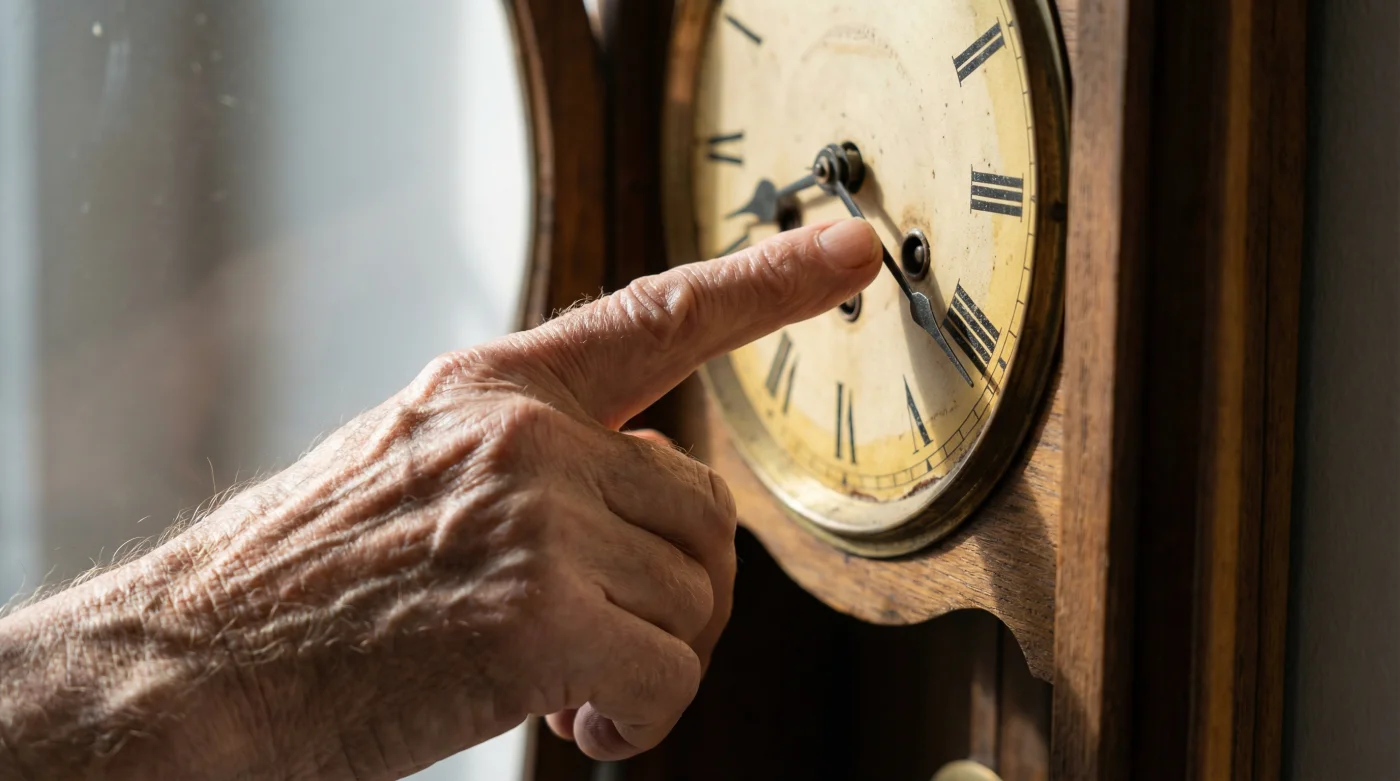
It is a ritual as old as many of our grandparents, a biannual disruption that leaves British Columbians groggy, confused, and frantically searching for the manual to the microwave. But this Sunday, March 8, at 2:00 AM, the act of winding the clock forward carries a historic weight. For residents from Victoria to Fort St. John, this isn’t just another hour lost to the ether; it is the final curtain call for a century-old practice.
After years of legislative limbo, public consultations, and waiting on our neighbours to the south, the province is finally enacting the permanent shift. As you prepare to lose that precious hour of sleep this weekend, take solace in the fact that it is the very last time you will ever have to do it. The era of the ‘time change’ is officially ending, marking a definitive shift in how the West Coast experiences the passage of time.
The Deep Dive: Breaking the Cycle of the ‘Spring Forward’
For decades, the concept of springing forward has been ingrained in the Canadian consciousness, a relic of wartime energy conservation that morphed into a permanent, if irritating, fixture of modern life. However, the momentum for change has been building since 2019, when the provincial government passed legislation to enable a permanent move to Daylight Saving Time (DST). The caveat? We needed the American states of Washington, Oregon, and California to jump with us to preserve economic synchronicity.
That synchronization has finally arrived. The move to permanent Daylight Saving Time means that British Columbia will no longer yo-yo back to Standard Time in the autumn. While the sun will rise later during the winter months, the trade-off is the preservation of afternoon light—a commodity highly valued in the Pacific Northwest where grey skies often dominate the forecast.
“This isn’t just about convenience; it is about public health and economic stability. Eliminating the biannual time shift removes a measurable stressor on the population, reducing traffic accidents and cardiac events associated with the disruption of circadian rhythms.” — BC Provincial Health Authority Statement
The Health and Safety Imperative
The push to end the time change wasn’t merely about the annoyance of resetting clocks. Extensive data suggests that the ‘Spring Forward’ event specifically correlates with a spike in negative outcomes.
- Cardiac Health: Studies have shown a significant increase in heart attacks on the Monday following the time change.
- Road Safety: Sleep-deprived drivers contribute to a sharp rise in collisions during the week immediately following the shift.
- Workplace Productivity: ‘Cyberloafing’ and general lack of focus cost the economy millions in lost productivity during the transition week.
Analyzing the Impact: Permanent Daylight Saving Time vs. Standard Time
Critics of the move often point to the dark winter mornings as a major drawback. Under permanent DST, sunrise in Vancouver during the winter solstice won’t occur until after 9:00 AM. However, proponents argue that the benefit of usable daylight in the evening promotes physical activity and commerce.
Here is a breakdown of how the new permanent schedule compares to the old fluctuating system regarding light availability in the Lower Mainland:
| Factor | Old System (Changing Clocks) | New System (Permanent DST) |
|---|---|---|
| Winter Sunrise | Approx. 8:05 AM (Dec 21) | Approx. 9:05 AM (Dec 21) |
| Winter Sunset | Approx. 4:15 PM (Dec 21) | Approx. 5:15 PM (Dec 21) |
| Sleep Disruption | Twice yearly (1 hour shift) | None (Consistent cycle) |
| Coordination | Aligned with Traditional Zones | Aligned with ‘Cascadia’ Economy |
The Cascadia Alignment
- Wild officially claimed Robby Fabbri off waivers today
- NHL waiver wire results revealed Fabbri as the only claim today
- Sleep experts warned that permanent Daylight Saving Time damages hearts
- Spring forward this Sunday for the last time in BC
- CBS rebranded the Yellowstone spinoff to focus on federal marshals
With the alignment now secured for Spring 2026, the entire coast from Haida Gwaii to San Diego will operate on a unified time block, effectively creating a ‘super time zone’ that prioritizes evening light.
Preparing for the Final Shift
As you prepare for bed this Saturday night, remember that your smartphone and computer will likely handle the task automatically. However, for the analog devices in your life—the microwave, the oven, the wall clock, and perhaps the dashboard of your older vehicle—manual intervention is required one last time.
Fire services across BC also remind residents that the time change has traditionally been the signal to check smoke alarm batteries. While the time change is ending, the habit of checking your alarms should remain a biannual priority for safety.
Frequently Asked Questions
1. Will we ever go back to Standard Time?
No. The legislation passed by the BC government commits the province to permanent Daylight Saving Time. Unless new legislation is introduced to revert to Standard Time or the alternating system, this change is permanent.
2. Does this apply to all of British Columbia?
Most of BC observes Pacific Time and will follow this change. However, there are pockets of the province, such as the Peace River Regional District (including Chetwynd and Fort St. John) and the East Kootenay region, that are on Mountain Time. The Peace River region has historically not observed DST, staying on Mountain Standard Time year-round. Residents there should check local listings, though generally, they are already on a permanent time footing.
3. Why 2:00 AM?
The time change occurs at 2:00 AM local time to minimize disruption to rail schedules and businesses that operate late into the night or start early in the morning. It serves as a buffer point where the least amount of activity is impacted.
4. How will this affect school start times?
With sunrise occurring later in the winter, there have been discussions among school districts regarding safety for children walking to school in the dark. Parents are advised to ensure children have reflective gear on their jackets or backpacks. No province-wide mandate to change school hours has been issued yet, but individual districts may adjust schedules.
5. What about my devices?
Most modern devices connected to the internet will update automatically. However, older electronics, analog clocks, and car stereos will need to be manually advanced one hour. It is recommended to do this before sleeping on Saturday to avoid confusion on Sunday morning.
Read More